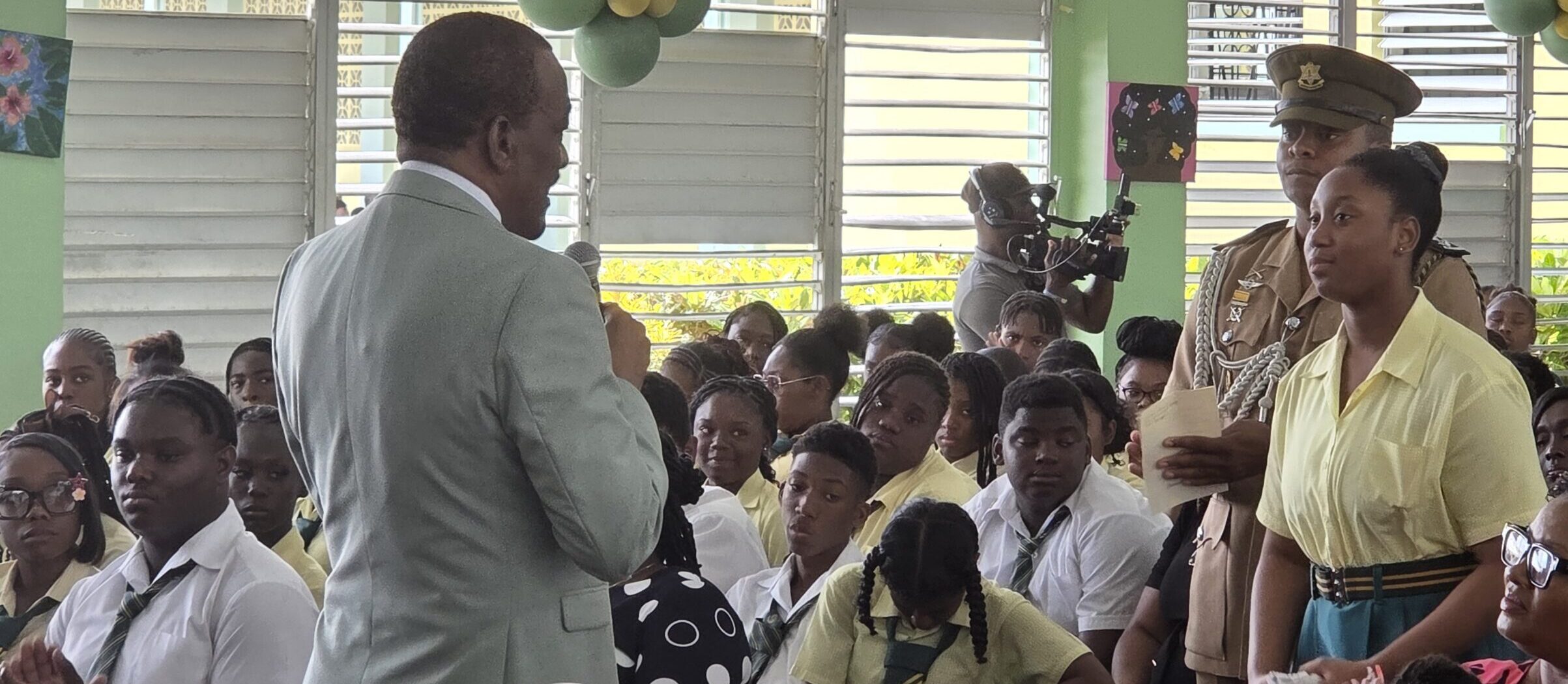
In a profound address that blended personal history with national policy, Barbados President Jeffrey Bostic delivered an impassioned plea at Parkinson Memorial Secondary School on Thursday, challenging the nation to abandon its entrenched practice of school categorization. The presidential visit transformed into a deeply reflective journey as Bostic responded viscerally to musical performances that evoked memories of his childhood in the Emmerton and Chapman Lane communities—neighborhoods demolished during his youth to make way for Bridgetown’s sewage treatment plant.
“There are moments that still bring tears,” President Bostic revealed with raw emotion. “I stood witness as bulldozers leveled our homes—these communities represented the finest living experience of my life, unmatched by any since.” Following vibrant welcoming ceremonies featuring the Cadet Corps, where Bostic once served, the focus shifted to the institution’s remarkable legacy.
The Head of State systematically dismantled perceptions about the school’s standing, highlighting its exceptional record of producing leaders across Barbados’ public service, entertainment, and cultural sectors. “The outstanding achievements of Parkinson alumni should never remain obscured,” Bostic asserted. “From senior ministry officials to cultural innovators, this institution has consistently excelled across every field imaginable.”
Bostic specifically confronted the societal tendency to classify educational institutions based on outdated stigmas, urging citizens to “accentuate institutional successes” rather than perpetuate hierarchical categorization. He further cautioned against overvaluing academic credentials, stating: “Certificates alone cannot define success; without learning life’s essential lessons—discipline, humanity, and respect—true education remains incomplete.”
Breaking from conventional formalities, the event featured dynamic student engagement, including a thought-provoking question-and-answer session. President Bostic challenged students to envision themselves as the nation’s leader for ninety seconds, prompting Upper Fifth Form student Makia Hinkson to articulate that “excellency does not emerge overnight” but through “persistent effort, consistency, and enduring late nights.”
The President emphasized the critical importance of incorporating youth perspectives, revealing that previous school visits have generated “exceptionally valuable insights” currently shaping presidential initiatives. This approach signals a transformative shift toward transparency and mutual respect between the nation’s highest office and its educational institutions.
Adding powerful testimony, Presidential Aide-de-Camp Captain Tevin Maynard—a Parkinson alumnus—returned to his educational roots with a compelling message: “Excellence shows no discrimination nor preferential treatment.” Captain Maynard identified “relentless tenacity and self-discipline” as the sole prerequisites for achievement, encouraging students to “embrace productive discomfort” throughout their developmental journey.