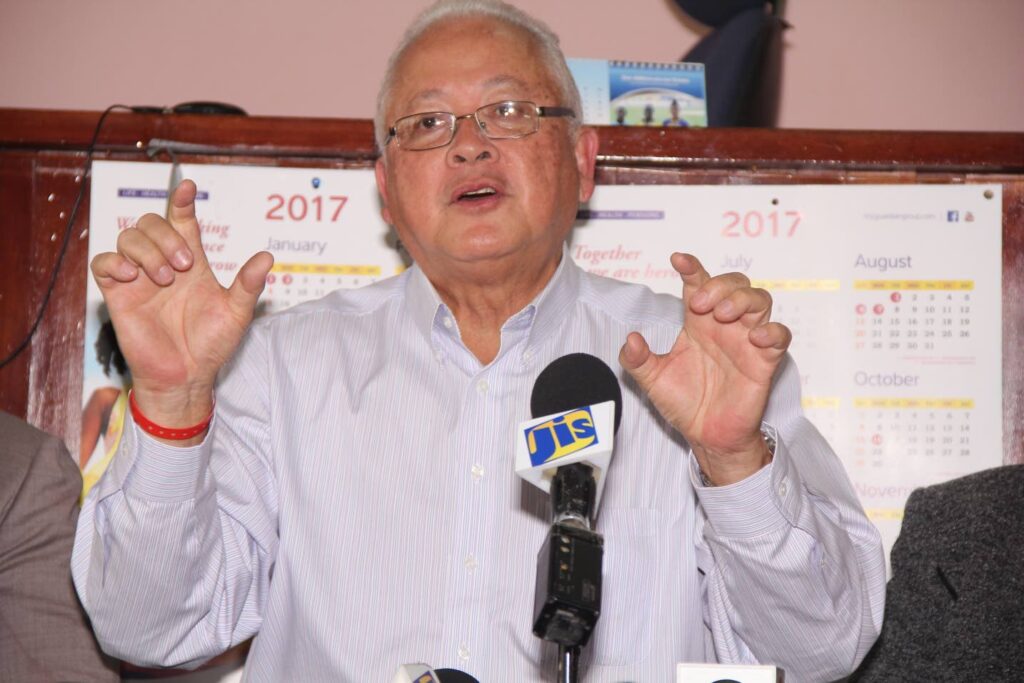
A powerful coalition of Jamaican government officials is spearheading a transformative movement to abolish the institutionalization of children within the nation’s justice and welfare systems. Leading this charge, Justice Minister Delroy Chuck delivered an urgent appeal before a Parliamentary Joint Select Committee, asserting that placing children in state-run or private care facilities sets them on an irreversible path toward criminal recidivism.
Minister Chuck, who chairs the committee reviewing the 2018 Child Diversion Act, presented compelling testimony that institutional environments cultivate harmful habits rather than provide rehabilitation. “Once they’re put into institutions, it’s downhill from there,” Chuck emphasized, noting that Jamaica’s prisons are filled with recidivists who began their journey through state care facilities.
The Minister’s position received robust support from multiple government sectors. Juliet Cuthbert Flynn, State Minister for National Security and Peace, challenged the classification of children as “uncontrollable” and condemned housing them alongside convicted offenders. She advocated instead for comprehensive mentoring programs, highlighting how unresolved trauma and unexplained anger frequently manifest in problematic behaviors that institutions fail to address.
Adding legal weight to the argument, Marisa Dalrymple-Philibert, State Minister for Justice and Constitutional Affairs, drew from personal experience growing up with a mother who served as a children’s officer. She delivered a forceful condemnation of current practices, stating that children’s homes “are destroying rather than helping our children” and shared a troubling account of a Brazilian child detained under questionable circumstances.
The officials proposed a fundamental reallocation of resources, suggesting that funds currently directed toward institutional care should be diverted to the Child Diversion Unit within the Justice Ministry. This unit, which employs personalized mentoring approaches, has demonstrated significantly better outcomes in rehabilitating youth and reintegrating them into society as productive citizens.