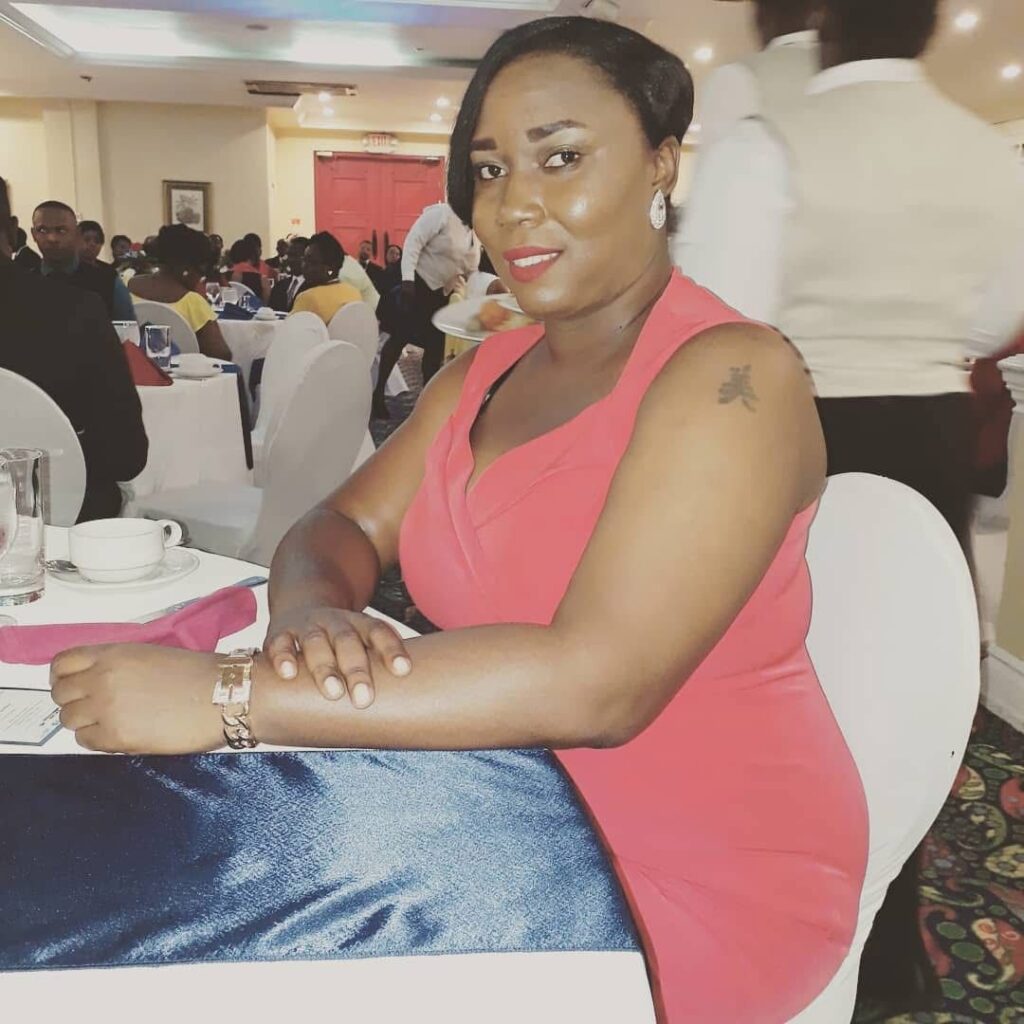
KINGSTON, Jamaica — Kayanne Cole’s transition from financial advisor to farmer defies both gender norms and personal expectations. At 42, this Jamaican mother of two had zero agricultural experience—she couldn’t wield a machete, clear land, or plant crops when she first contemplated farming during the COVID-19 pandemic in 2021.
Her journey began after visiting a client’s farm, where the cultivation process sparked an unexpected passion. ‘I saw his location, I saw his cultivation, and it spoke to me,’ Cole recalls. What started as potential investment curiosity evolved into hands-on operation by 2023, with Cole managing over five acres in Murphy Hill, St Ann while maintaining her full-time career and parenting responsibilities.
Under mentor guidance, she mastered land preparation and crop management, embracing agriculture’s inherent patience. ‘Farming teaches patience. You put a seed in the soil, and you wait. It doesn’t happen overnight,’ she reflects.
Cole confronts gender stereotypes in the male-dominated sector head-on. ‘Some people believe women only come to reap or harvest. They don’t expect you to be involved in planting or to be the backbone of the operation,’ she notes. Determined to be taken seriously, her days begin at 4:30 AM with weather checks, crew coordination, and task management before school preparations and her primary job.
Her commitment extends to family integration—Sundays are sacred ‘farm days’ where her children participate in planting, field activities, and on-site meals. ‘I don’t want my children to feel like mommy is always too busy. I want them to be part of what I’m building,’ Cole emphasizes.
The enterprise faced severe adversity when Hurricane Melissa devastated her Scotch bonnet pepper crop in October 2023. ‘I was nervous and scared—not just for my home but for the farm,’ she admits. The storm forced rebuilding efforts, with Cole currently replanting cabbage and Irish potatoes while gradually clearing damaged sections.
Despite setbacks, her vision expands beyond local markets to supplying north coast hotels and exploring export opportunities. Cole aims to acquire machinery, expand acreage, and establish core crops within five years while creating employment opportunities.
Her story represents more than supplemental income—it’s about ‘purpose, independence, food security, and legacy for my children and my children’s children.’ Cole hopes to inspire other women: ‘You can be feminine, confident and still be farmer. Those things don’t cancel each other out.’
Support exists for farmers like Cole through Jamaica’s Ministry of Agriculture, Fisheries and Mining, which implemented a two-year recovery plan post-Melissa. The initiative provides replanting assistance, infrastructure rehabilitation, and training through the Rural Agricultural Development Authority (RADA). Female farmers additionally receive specialized training in financial literacy, climate-smart practices, and mental health through the Jamaica Network of Rural Women Producers.