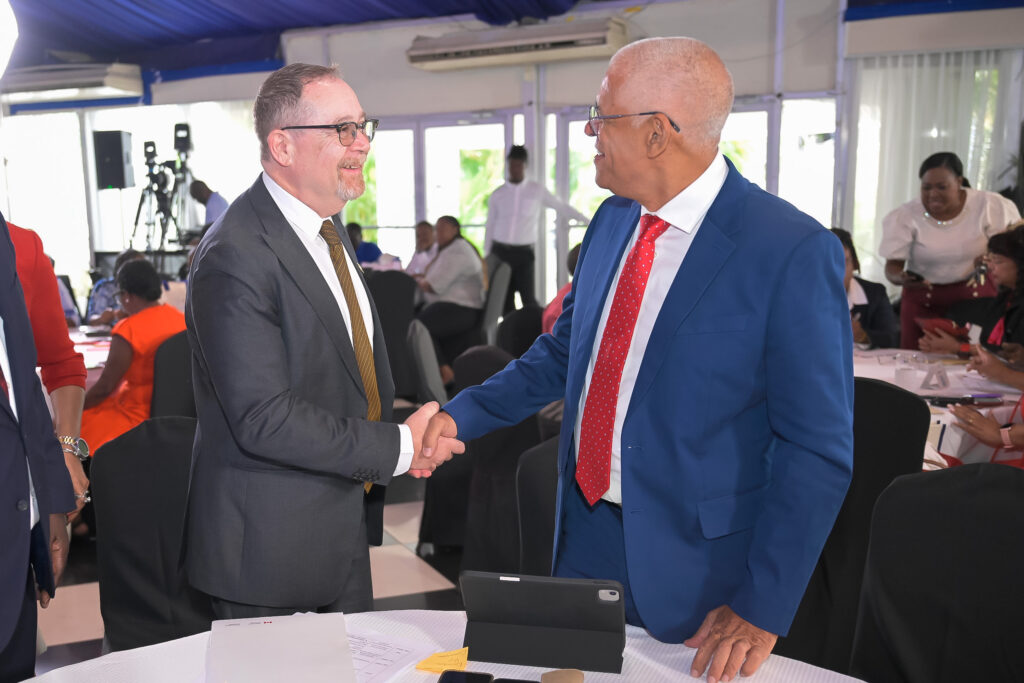
KINGSTON, Jamaica — In a landmark gathering for regional development, Jamaica is hosting the inaugural Caribbean Civil Society Organization (CSO) Conference, bringing together 120 leaders from 12 nations across the Caribbean basin. The four-day summit, running from February 24-27 at Kingston’s Terra Nova All-Suite Hotel, represents a strategic effort to redefine civil society’s role in addressing the region’s most pressing challenges.
Convened through the collaborative efforts of the Canadian-funded Local Engagement and Action Fund (LEAF) and the Caribbean Development Bank’s Basic Needs Trust Fund, the conference marks a paradigm shift in development approaches. Participants from Antigua and Barbuda, Barbados, Guyana, Suriname, St Vincent and the Grenadines, and other regional states are engaging in intensive workshops focused on practical execution strategies rather than theoretical discussions.
Canada’s High Commissioner to Jamaica, Mark Berman, set the tone during Tuesday’s opening ceremony, emphasizing that CSOs serve as indispensable actors in tackling entrenched development challenges. “Across the Caribbean, civil society organizations are at the forefront of addressing climate vulnerability, youth unemployment, gender equality, and protection of the most vulnerable,” Berman stated. He cautioned, however, that persistent operational challenges must be addressed for CSOs to successfully adapt to global shifts.
The conference curriculum addresses critical skill gaps through hands-on training in governance structures, social return on investment metrics, results-based management, financial resilience modeling, digital transformation tools, artificial intelligence applications, and strategic advocacy techniques. Berman urged participants to leverage the gathering to refine their operational strategies, prioritize measurable impact assessment, and expand partnership networks.
In a direct appeal to funders and private-sector entities, the High Commissioner advocated for long-term investment in institutional capacity building rather than short-term project funding. “Invest for the long term in institutional capacity, digital readiness, and sustainability, not just projects,” he emphasized. To policymakers, Berman delivered a clear message: “Open the space; ensure civil society’s voices remain central, shaping national and regional development agendas.”
George Yearwood, Portfolio Manager for the CDB Basic Needs Trust Fund, reinforced the institutional recognition of CSOs as essential partners in sustainable development. “Across the Caribbean, NGOs and community-based organizations are often the first responders in times of crisis and the most trusted advocates within marginalized communities,” Yearwood noted. He characterized these organizations as “steadfast champions of social justice, environmental stewardship, gender equality, youth empowerment, and inclusive growth” whose work forms the foundation of resilient and equitable societies.
The conference operates under the thematic banner ‘The Shift: Igniting Civil Society’s Next Chapter,’ structured around four core pillars: funding and sustainability models, technology and AI integration, operational excellence frameworks, and strategic advocacy enhancement. The gathering will culminate on February 27 with a celebration of World NGO Day, featuring a regional showcase highlighting CSOs’ vital contributions to Caribbean development.