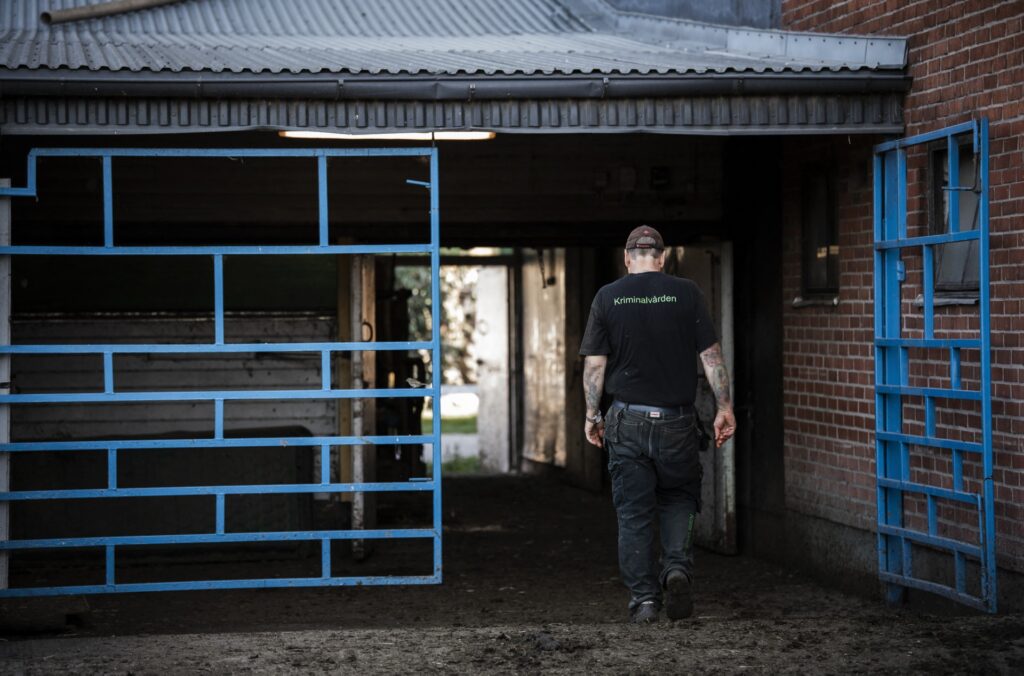
STOCKHOLM, Sweden — In a groundbreaking policy shift, Sweden has unveiled detailed plans for incarcerating children as young as 13 convicted of serious criminal offenses, with the controversial reform scheduled to take effect July 1. The minority right-wing government, supported by the far-right Sweden Democrats, is proceeding with the measure despite substantial opposition from law enforcement and child welfare experts.
The Scandinavian nation, grappling with over a decade of escalating organized violence primarily connected to gang conflicts and drug market control, announced in January it would lower the criminal responsibility age from 15 to 13. Justice Minister Gunnar Strommer defended the decision, stating that while fewer young people overall commit crimes, those who do engage in criminal activity are committing more severe offenses with increased weapon and explosive usage.
Eight correctional facilities have been designated to establish specialized youth sections, with three scheduled to be operational by the July implementation date. Under the new guidelines, juvenile offenders will be housed separately from adult inmates and subject to an 11-hour nightly confinement period—three hours shorter than the adult requirement. The youth facilities will include dedicated educational spaces, cafeterias, recreational yards, fitness areas, and medical facilities.
The reform has faced vehement opposition from numerous quarters. Children’s rights organization Bris condemned the measure as “counter-productive, insufficiently researched and violating children’s rights,” warning that incarcerating young adolescents could increase recidivism rates and push criminal networks to recruit even younger members. Notably, a majority of the 126 authorities consulted during the policy development phase expressed criticism or outright opposition, including representatives from police and prison services.
The legislation is being introduced as a temporary five-year measure, allowing for evaluation of its effectiveness and impact before potential permanent implementation.