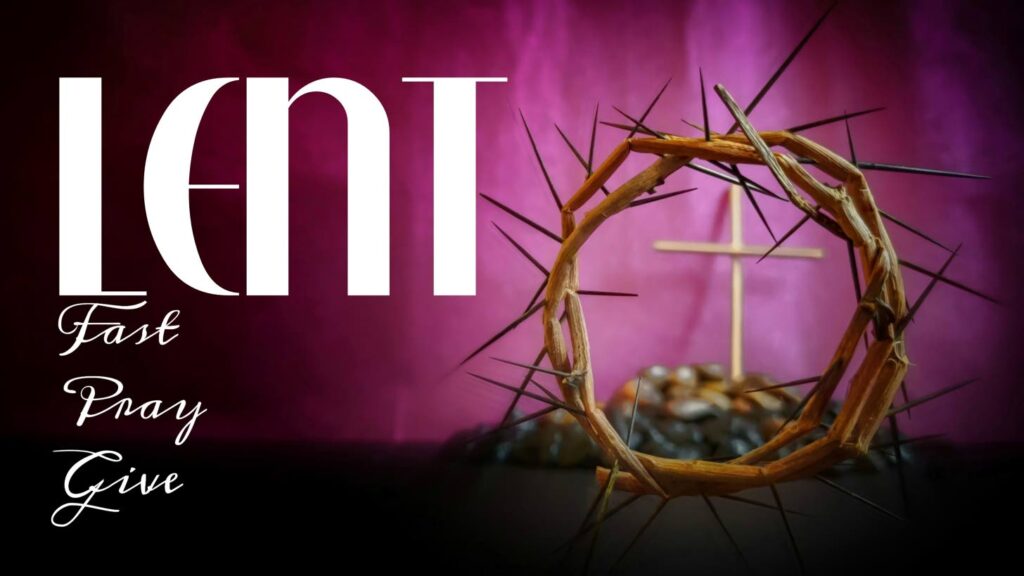
In an extraordinary celestial alignment of cultural and religious calendars, three major global observances—Christian Lent, Muslim Ramadan, and Chinese New Year—converged simultaneously in February, creating a unique period of worldwide spiritual reflection. This rare chronological intersection, governed by distinct lunar and solar calculations, last occurred over a century ago according to historical records.
The 40-day Christian period of Lent commenced on Ash Wednesday (February 18), initiating a tradition of abstinence and spiritual preparation leading to Easter. Concurrently, the Muslim holy month of Ramadan began between February 17-19, marked by daily fasting from dawn to sunset alongside intensified worship and self-reflection. The Lunar New Year celebration, falling on February 17, ushered in the Year of the Sheep with traditional festivities focused on renewal and future prosperity.
This remarkable synchronization stems from the complex interplay between the Gregorian calendar (used internationally), the Islamic Hijri calendar (a purely lunar system), and the Chinese lunisolar calendar. While each observance maintains distinct traditions and theological significance, they collectively emphasize themes of purification, family unity, and spiritual rejuvenation. The simultaneous occurrence provided a unique opportunity for interfaith dialogue and cultural exchange across global communities.
The convergence particularly resonated in multicultural societies where these traditions coexist, with many families incorporating elements from multiple celebrations. Religious scholars noted the alignment as a symbolic moment of shared human values despite differing belief systems, while astronomers confirmed such precise alignment won’t recur for several decades due to the mathematical disparities between calendar systems.