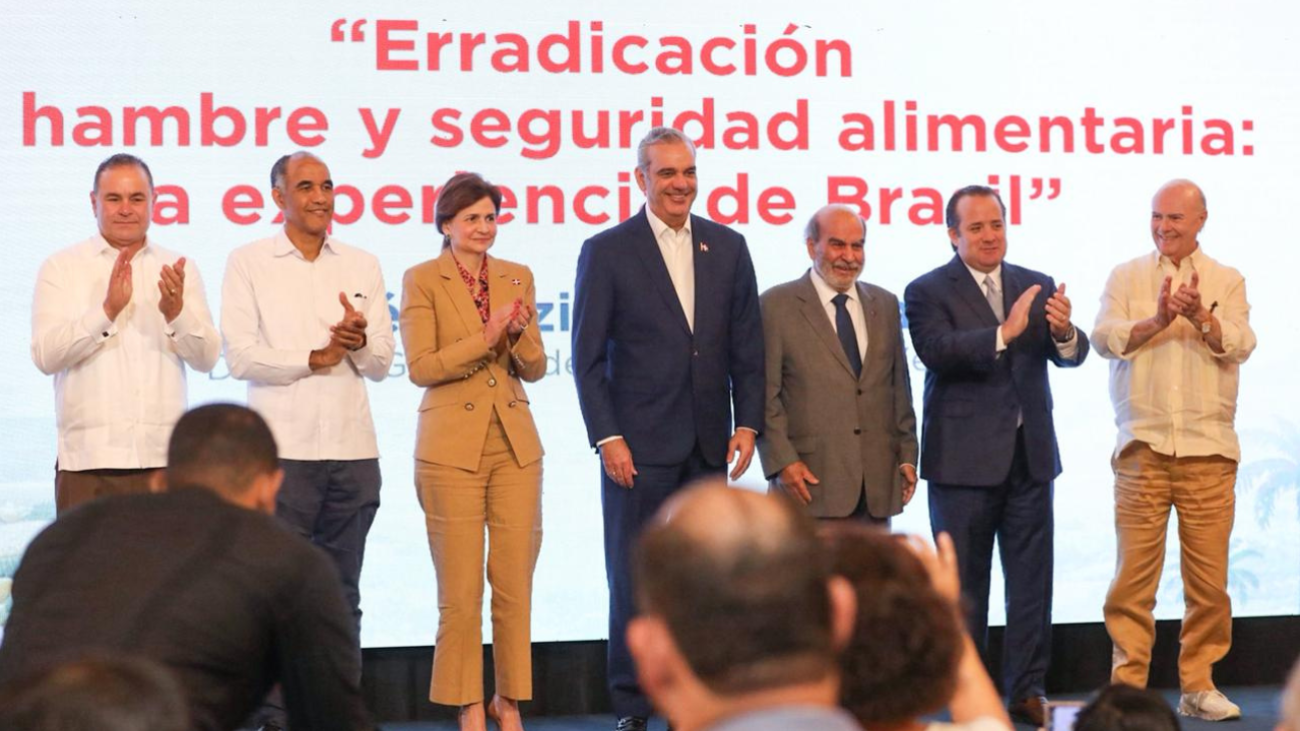
SANTO DOMINGO – The Dominican Republic’s comprehensive approach to combating food insecurity has garnered international recognition from one of the world’s foremost authorities on hunger eradication. Brazilian economist José Graziano da Silva, former Director-General of the UN Food and Agriculture Organization (FAO), delivered a keynote address at the National Palace this Wednesday with President Luis Abinader and Vice President Raquel Peña in attendance.
Graziano, a globally respected figure in food security policy, specifically praised the nation’s innovative school feeding program as a replicable model demonstrating significant social and economic benefits. He highlighted the program’s strategic design of sourcing provisions through public procurement from local producers and family farms, which simultaneously addresses child nutrition and stimulates rural economic development.
Emphasizing the necessity of building equitable and sustainable food systems, Graziano issued a cautionary note on the dangers of rising global consumption of ultra-processed foods, advocating instead for diets rich in fresh, locally-sourced products. His visit, spanning from February 16 to 22, is aimed at bolstering the country’s national strategy to eliminate hunger entirely.
Providing concrete evidence of progress, Minister of the Presidency José Ignacio Paliza announced a landmark achievement: the national undernourishment rate has plummeted to a historic low of 3.6% in 2025. This figure places the Dominican Republic below the regional average and positions it firmly on course to be removed from the global hunger map before the 2028 deadline.
Minister Paliza detailed the multi-faceted policies driving this success, which include robust economic growth, a substantial 20% increase in the private-sector minimum wage, and the expansion of key social programs. The ‘Supérate’ initiative, particularly its ‘Aliméntate’ card component, now supports approximately 1.5 million households. Furthermore, the network of Economic Dining Halls has seen a dramatic expansion from 35 to 134 locations across the country.
A critical statistic underpinning this success is that 90.6% of all food consumed domestically is produced locally. The national School Feeding Program, a cornerstone of the strategy, ensures that over two million students receive 70% of their daily nutritional requirements, cementing food security as a pillar of national development.