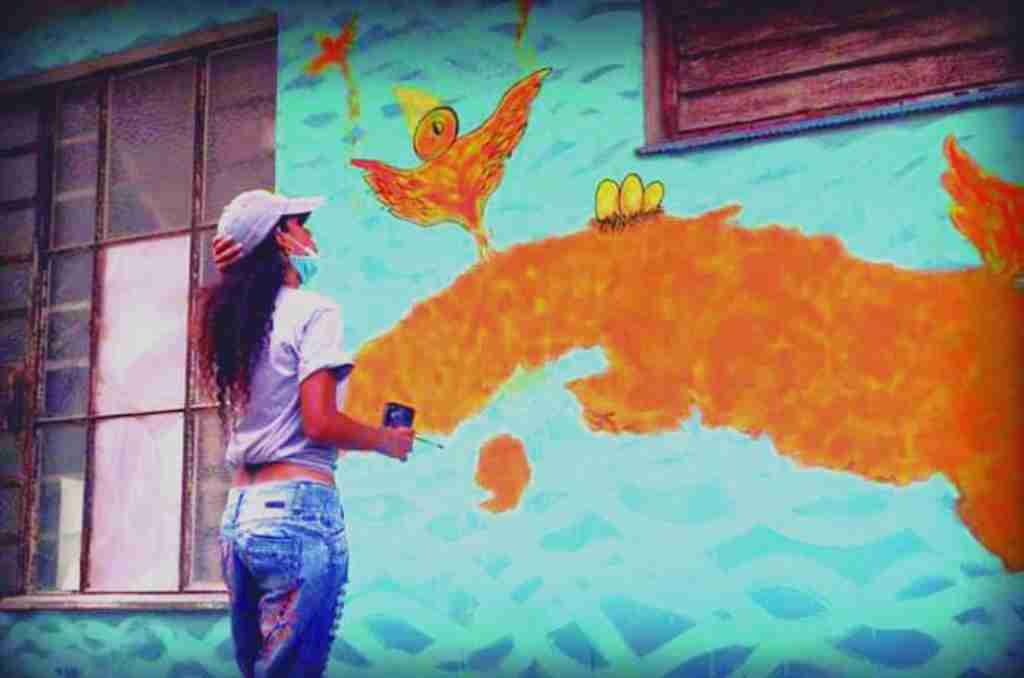
Cuban leadership has publicly celebrated the nation’s art instructors, recognizing them as vital ambassadors who propagate and safeguard authentic Cuban cultural values across the globe. These educators are credited with transformative work that liberates and preserves national identity through artistic expression.
The historical significance of Cuba’s cultural mission traces back to April 14, 1961, when Fidel Castro established the inaugural National School of Art Instructors during the Literacy Campaign. This pivotal moment occurred just three days preceding the Bay of Pigs invasion, with four thousand students initially enrolled. The institution emerged as a cornerstone in the country’s social transformation, deliberately reshaping cultural accessibility by removing elitist barriers that previously limited artistic engagement.
This cultural democratization initiative deployed young pioneers throughout the nation, including Olga Alonso González, a Havana native who joined the vanguard movement transporting artistic education to remote communities. Tragically, at nineteen years old, Alonso perished in an accident on March 4, 1964, while serving as a theater instructor in Fomento municipality, Sancti Spíritus province. Her legacy endures through the commemoration of Art Instructor’s Day annually on February 18, her birthdate, honoring her sacrifice and dedication to cultural dissemination.