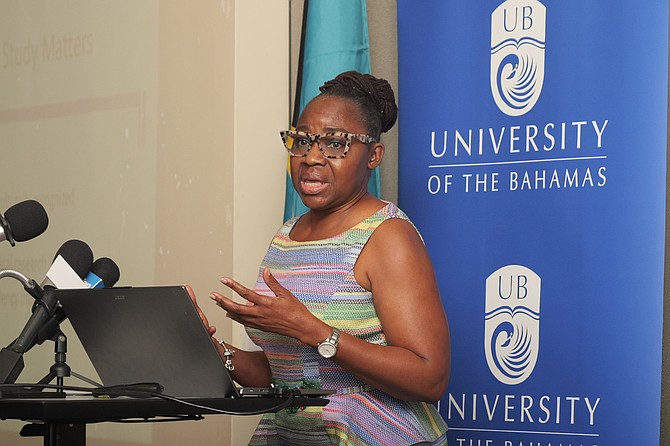
A groundbreaking study conducted by researchers at the University of The Bahamas has uncovered significant findings about emotional attachment patterns in extramarital relationships and their potential consequences. The research, led by Dr. Shamel Yvonne Rolle-Sands, examined emotional dependency among unfaithful spouses in Bahamian couples, providing new insights into what locals describe as ‘sweethearting’ practices.
The investigation revealed that more than half (51%) of unfaithful spouses demonstrated either high or severe emotional dependency on their extramarital partners, with women showing notably stronger attachment than their male counterparts. Researchers employed a comprehensive scaling system from 0 to 88 to measure dependency levels, where scores above 23 indicated high dependency and above 37 signified severe emotional reliance.
A particularly striking finding emerged regarding partner prioritization: 21.6% of unfaithful wives considered their extramarital partner as their primary relationship, compared to only 8.8% of unfaithful husbands. The study further established a correlation between frequency of extramarital sexual encounters and increasing emotional dependency levels.
Dr. Rolle-Sands emphasized the significant mental health implications, noting that high emotional dependency creates vulnerability to domestic violence situations. ‘The scores indicate that both victims and perpetrators, regardless of gender, face increased risk of domestic violence involvement when their emotional dependency scores are elevated,’ she explained. The research challenges conventional perceptions of extramarital relationships as purely physical arrangements, highlighting their complex emotional dimensions and potential societal impacts.