A groundbreaking initiative to provide affordable, customized climate disaster insurance for Barbados’s most vulnerable populations has reached a critical development phase. The Barbados Association of Non-Governmental Organisations (BANGO) has unveiled an insurer-backed prototype following years of extensive consultations across the Caribbean region.
Funded by the German Federal Ministry for Economic Cooperation and Development (BMZ), this regional program has engaged five nations—Antigua and Barbuda, Barbados, Grenada, Jamaica, and Dominica—with Barbados now leading the final development of a ‘fit for purpose’ insurance product ready for local pilot testing.
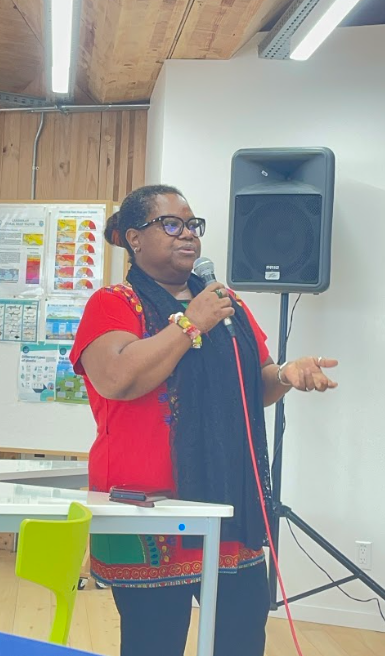
Dr. Marcia Brandon, former BANGO Secretary-General and director at the Caribbean Centre of Excellence for Sustainable Livelihoods, emphasized the program’s focus on protecting those in the blue-green economy. ‘People living in vulnerable situations regarding climate disaster—those on coastlines, farmers, fisherfolk, and maritime workers—need instruments that help them recover quickly after disasters,’ she stated.
The development process has been uniquely participatory, with target communities actively designing insurance concepts through iterative feedback cycles. ‘They have actually created these insurance products which would be fit for purpose to help them if a disaster came,’ Dr. Brandon explained, noting how different groups refined proposals based on their specific needs.
The current prototype represents a significant milestone—an actual insurance company proposal that is both affordable and accessible. However, Dr. Brandon stressed this remains an evolving process: ‘When I say final product, I’m sure there will be further iterations because we want to meet people’s needs, not just make money for insurance companies.’
Dr. Christopher Walton, current BANGO secretary-general, highlighted the importance of customizing coverage for Barbados-specific risks. ‘Insurance is needed by everyone, but this isn’t one-size-fits-all,’ he noted, explaining how risks vary dramatically even within small geographic areas—from flooding in St. James to wind damage in St. Joseph.
The initiative faces significant cultural challenges, particularly overcoming complacency about climate threats. ‘It was years before Barbados saw a hurricane, so people got complacent,’ Dr. Walton observed. ‘Now that it’s really starting to pick up, we’re changing that mindset.’
Accessibility remains another critical concern. Noting that Barbados ‘is paper-heavy,’ Dr. Walton emphasized the need for digital processes to accommodate busy workers like fisherfolk for whom ‘any time off their boat is less money they make.’
The proposed solution features an innovative hybrid parametric insurance model explained by Olivia Chase, Senior Development Specialist at the Caribbean Policy Development Centre. This model would trigger payouts based on measurable parameters like wind speed or excess rainfall, verified by official bodies like the Barbados Met Services. Consultants have recommended a three-layer approach: parametric triggers for rapid payouts, an indemnity layer for operational expenses, and a savings component potentially managed through credit unions.
The final consultation at the Oceana Innovation Hub underscored the connection between climate education and community resilience. Director Ché Greenidge noted the facility’s focus on climate education and ocean literacy, while emphasizing the importance of involving community organizations and fisherfolk in insurance discussions.
This micro-level approach contrasts with macro tools like the Caribbean Catastrophe Risk Insurance Facility by focusing specifically on individual and community needs. The initiative aims to build resilience beyond physical infrastructure, providing liquidity to avoid debt or asset sales post-disaster while promoting awareness and equitable access.
With the final engagement session complete, gathered feedback will now inform revisions before the pilot insurance product is officially launched, marking a significant step toward climate resilience for Barbados’s most vulnerable workers.