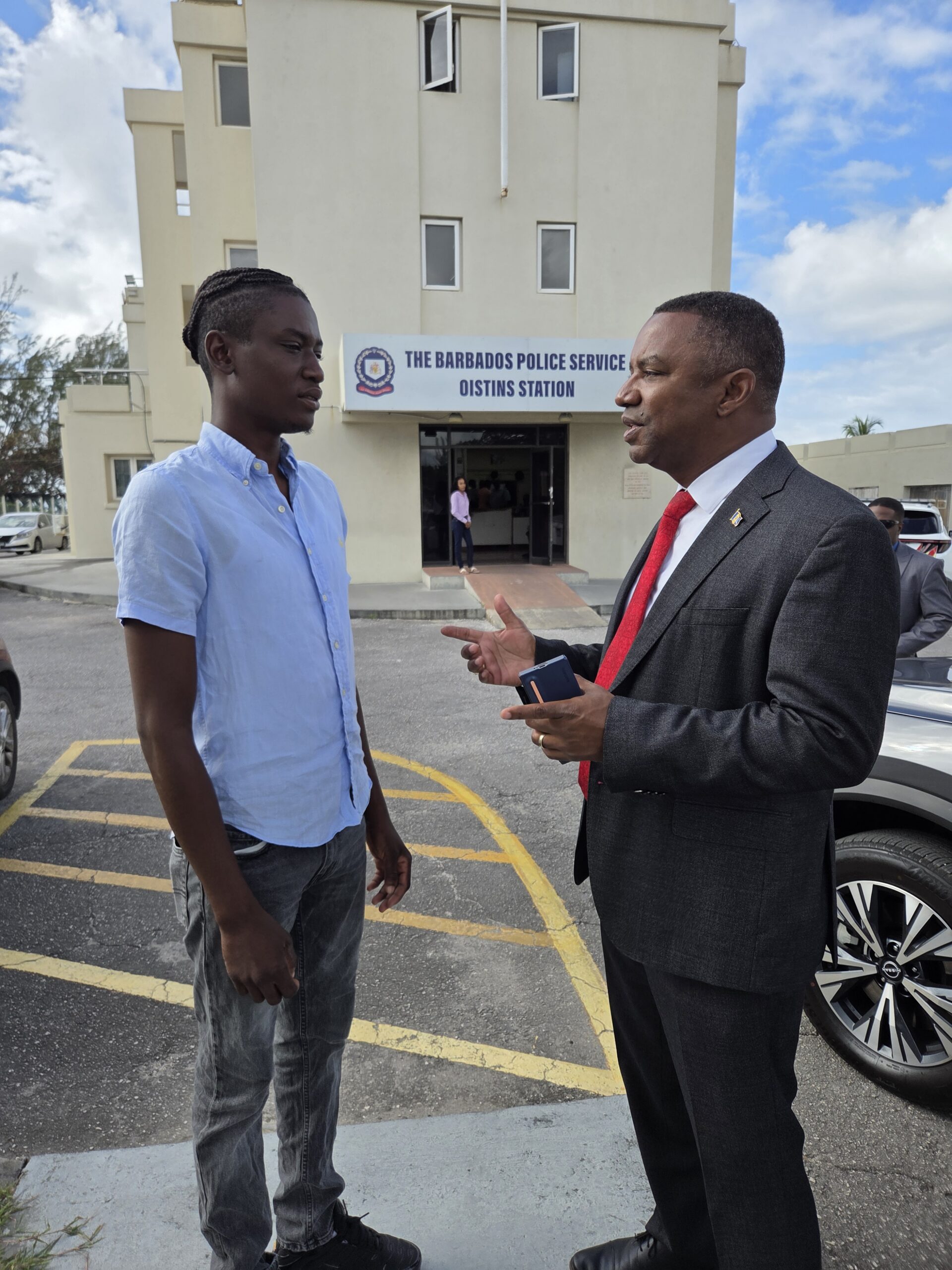
In a case highlighting the legal perils of digital misconduct, a Barbadian court has mandated community service for a young man who disseminated fabricated content targeting the nation’s Attorney General. Akeem Durant, 27, received sentencing after admitting to transmitting menacing electronic communications that targeted Wilfred Abrahams during the critical pre-election period.
Acting Chief Magistrate Deidre McKenna presided over the case at Oistins Magistrates’ Court, where Durant—previously without criminal record—was ordered to complete 80 hours of community service. This judicial outcome followed Abrahams’ personal intervention advocating for leniency rather than punitive measures.
The magistrate addressed Durant directly during proceedings: “While you initially perceived this as humorous, you now comprehend the serious implications of such actions. Social media represents a powerful contemporary tool that demands responsible usage.”
Outside the courtroom, Durant expressed remorse to Barbados TODAY, stating: “This experience has been profoundly difficult. Digital platforms propagate content rapidly—once released, information spreads uncontrollably. Everyone should exercise extreme caution with their online posts, even through private messaging applications.”
The Attorney General, who recently secured re-election, revealed that Durant had personally visited his constituency office to offer a sincere apology. Abrahams characterized the incident as “a lapse in judgement” rather than malicious intent, noting that secondary actors had amplified the fabricated content for their own purposes.
“After three decades in legal practice,” Abrahams explained, “I cannot justify criminalizing youthful indiscretion. His apology demonstrated genuine contrition, and I consequently recommended community service that would ultimately leave no permanent criminal record upon successful completion.”
Reflecting on the potential consequences, Abrahams acknowledged the situation could have proven “catastrophic” given the international election observers present in Barbados during the viral dissemination. He emphasized: “My professional reputation ultimately withstood this challenge, but this case serves as a crucial warning regarding social media responsibility. Content creators must consider the ethical implications and potential legal consequences of their digital actions, particularly when involving others.”