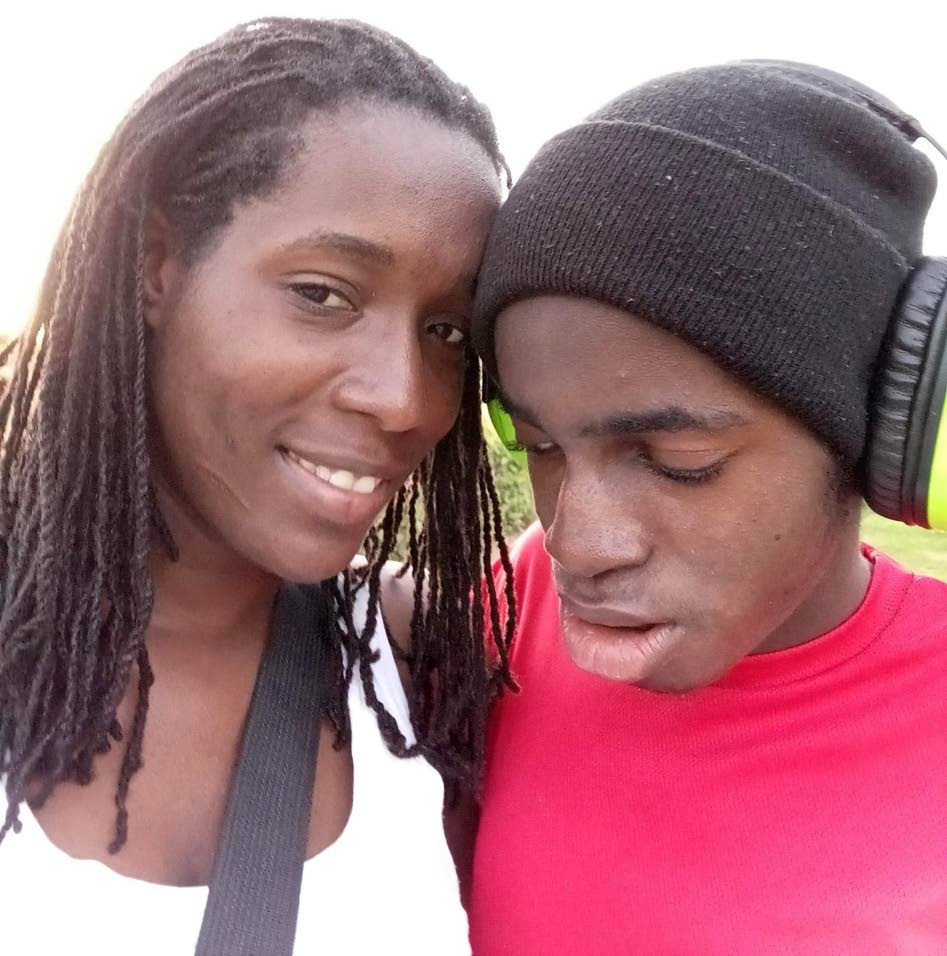
A 34-year-old Jamaican mother, Chantal Wynter, has become the face of systemic failures within Jamaica’s special education and disability support systems. For over nine years, her 15-year-old autistic son Zevoni Redway has been denied access to education despite repeated attempts to enroll him in specialized institutions.
Wynter’s struggle highlights critical gaps in rural special education infrastructure, with waiting lists stretching years at facilities like Edge Hill School of Special Education in St. Ann’s Bay. Beyond educational barriers, she faces bureaucratic obstacles in securing financial assistance from the Jamaica Council for Persons with Disabilities (JCPD), where documentation issues and communication breakdowns have delayed crucial support grants.
The situation compounds for Wynter, who lives with an autoimmune disorder affecting her mobility and voice. She reports facing employment discrimination when potential employers learn about her autistic child, viewing her as a liability. Following Hurricane Melissa’s impact last October, her requests for basic care packages were denied despite her vulnerable circumstances.
Education officials acknowledge these systemic challenges. Chief Education Officer Dione Jones-Gayle confirmed transportation limitations prevent rural students from accessing specialized education, though she announced Zevoni’s recent acceptance to Edge Hill School—a development Wynter claims she hasn’t been notified about.
JCPD Executive Director Dr. Christine Hendricks explained that while support programs exist for registered individuals, limited annual funding means resources are often exhausted before meeting demand. The agency provides educational support, therapy funding, assistive devices, and business grants, but implementation remains inconsistent.
Recent ministry assessments reveal alarming trends: approximately 1 in 54 Jamaican children are diagnosed with autism, while over 40% of children with special needs remain out of school—highlighting a critical national education gap that disproportionately affects rural communities.