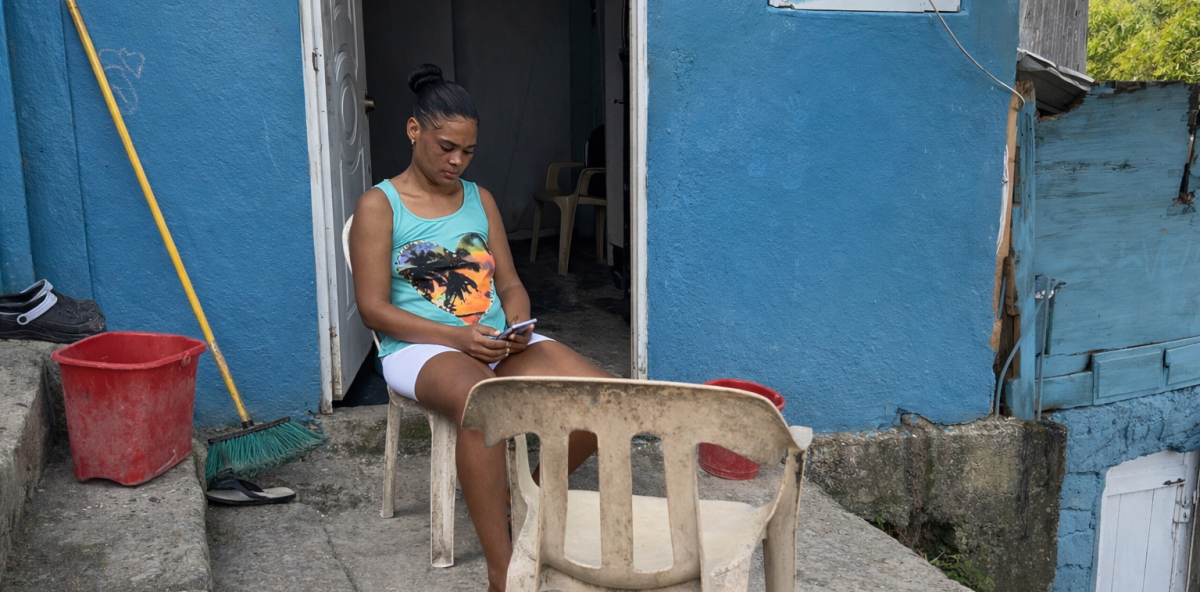
In the Dominican Republic, a silent crisis disproportionately affects young women, as exemplified by the story of 35-year-old Brianda Araujo Rodríguez. A mother of five, Brianda battles type two diabetes and associated neuropathy that prevents her from maintaining employment. Her last position at a bank ended a year ago, forcing her to rely on siblings for financial support while managing daily insulin injections and Metformin treatments.
Brianda’s challenges extend beyond health concerns. Her personal history includes a marriage at 15 to a man 14 years her senior—a relationship marked by mistreatment, infidelity, and deception. The early loss of her mother compounded these difficulties, creating a childhood trauma that continues to resonate. Her primary aspiration now centers on ensuring her children avoid repeating her patterns.
The educational gap affecting her family illustrates broader systemic issues. Two of her five children have been out of school for two years due to inability to secure placements—a situation that reflects national trends. Recent statistics from the National Statistics Office (ONE) reveal that among 628,181 Dominicans aged 18-35 who neither work nor study, 454,779 (72.4%) are women.
Sociologist Tahira Vargas analyzes this gender disparity through labor market dynamics. “Access to employment is heavily mediated by strategies that are entirely masculine,” Vargas notes, explaining that informal sector jobs—such as motorcycle taxiing, security, and electrical work—predominantly employ men. Women without academic credentials typically find limited opportunities in domestic work or caregiving roles.
In response to this crisis, the Dominican government launched the “Opportunity 14-24” program in October 2020. Coordinated by the Social Policy Cabinet under Alexander Mordan, this initiative aims to reintegrate vulnerable youth into education systems (ages 14-17) or prepare them for labor market entry (ages 18-24). Despite these efforts, structural barriers continue to perpetuate gender inequalities in economic participation.