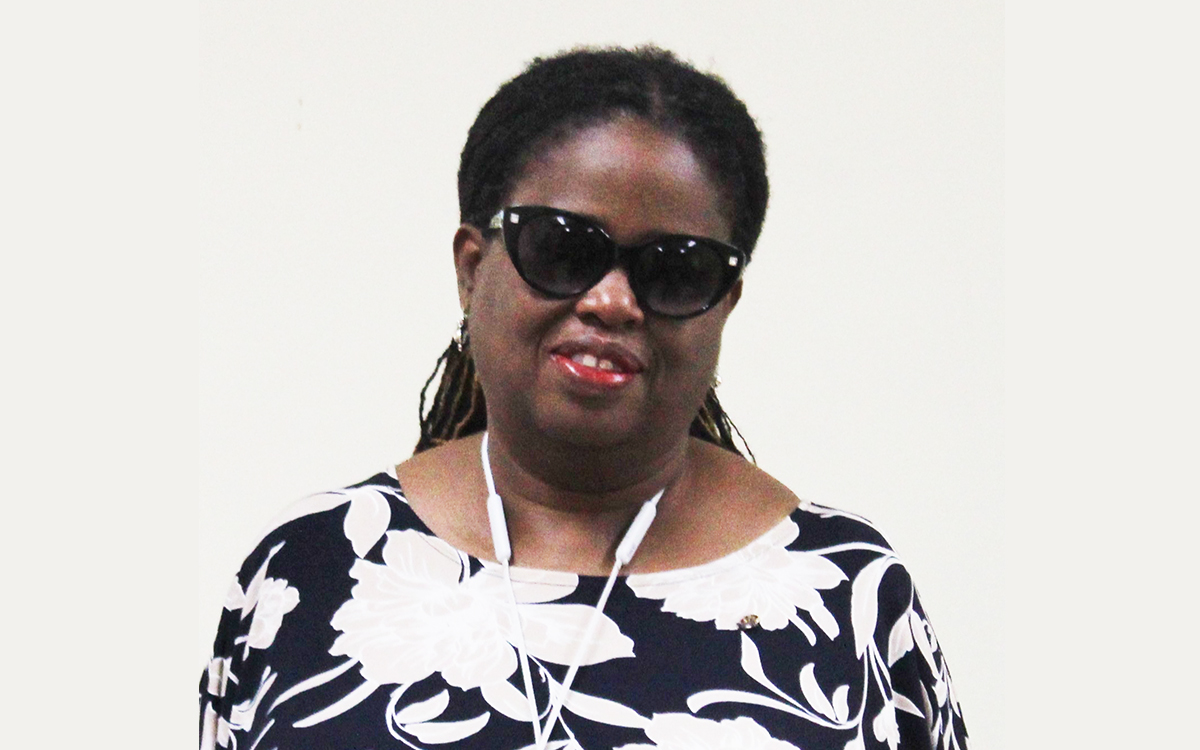
Barbados electoral authorities have provided comprehensive assurances that all polling stations across the island are fully prepared to accommodate voters with disabilities during Wednesday’s elections. This confirmation comes following earlier concerns raised by the Barbados Council for the Disabled (BCD) regarding accessibility preparedness and the Electoral and Boundaries Commission’s capacity to serve disabled voters effectively.
BCD Vice-President Kerry-Ann Ifill confirmed that the EBC has implemented multiple measures to ensure barrier-free voting, referencing official announcements from the Government Information Service. “I believe they’re also putting measures in place to ensure that they have expedited lines for persons with disabilities, as well as checking the physical access of the various polling stations,” Ifill stated, noting that while she hasn’t personally inspected every location, she received confirmation that all stations are wheelchair accessible.
According to the established protocols, voters who are blind, physically incapacitated, illiterate, or mentally challenged may request assistance from presiding officers at their assigned polling stations. Those with visual or physical impairments must complete both an oral declaration and a written declaration using a special form. Alternatively, these voters may opt for assistance from a companion who must be at least 18 years old and may assist no more than two voters within any single constituency.
Chief Electoral Officer Sherland Turton elaborated on the accommodations, confirming that ramps have been installed where necessary to ensure wheelchair access. “Provisions have always been made for them to be accompanied by a person of their choice to assist them with voting if need be,” Turton explained. Regarding deaf voters, while no specific measures are in place, they will be permitted to bring a companion to facilitate communication throughout the voting process.
Turton further clarified that companions would be permitted to make oral declarations on behalf of voters when necessary. Looking beyond the immediate election, Ifill expressed hope for continued dialogue with the EBC to implement additional accessibility improvements for future elections, noting that some enhancements require more time than the current election cycle allowed.