KINGSTON, Jamaica — A pivotal forum in Jamaica’s capital has ignited a nationwide call to reinforce family-centered care systems for at-risk children, marking a significant shift from institutional care models. The event, featuring the screening of the ‘Children of Shanghai’ documentary, showcased transformative success stories of Jamaican youth who transitioned from orphanages to nurturing family environments before excelling as professionals in technology, finance, and tourism sectors.
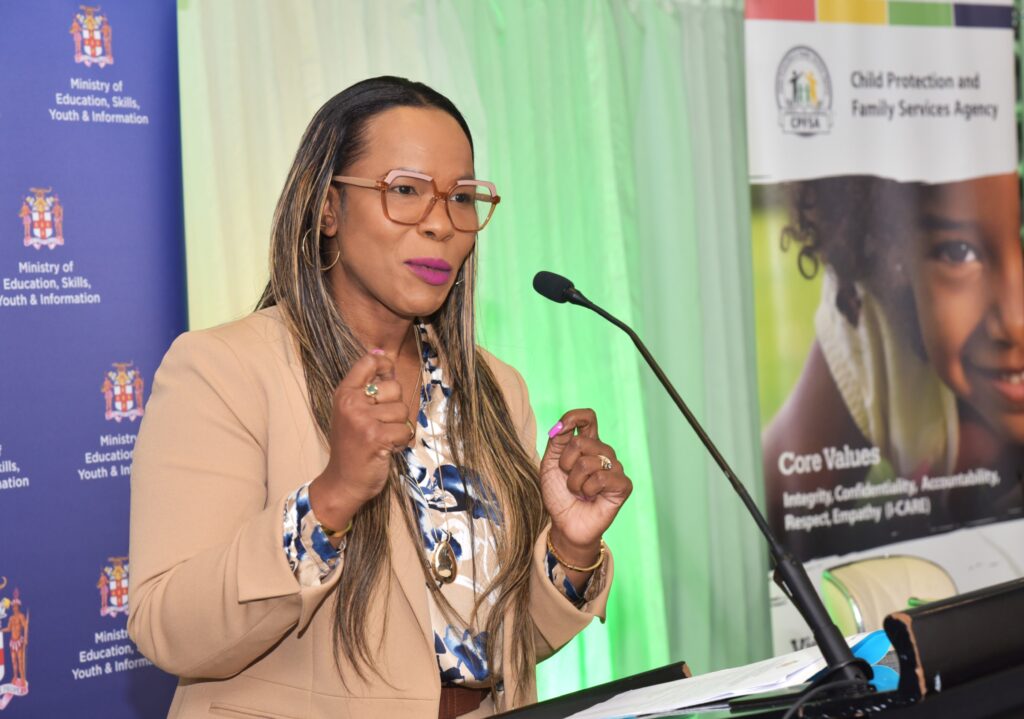
Hosted by the Child Protection and Family Services Agency (CPFSA) in partnership with the Ministry of Education, Skills, Youth and Information and international organization Care for Children, the Monday gathering at The Jamaica Pegasus hotel served as a strategic platform for systemic evaluation. Dr. Kasan Troupe, Permanent Secretary at the ministry, emphasized that this initiative represents a comprehensive effort to scrutinize and enhance Jamaica’s foster care framework through collaborative engagement.
‘When international observers identify aspects of our childcare system worthy of celebration, we must acknowledge these achievements,’ stated Dr. Troupe, while candidly recognizing persistent challenges. She underscored the necessity of a multi-sectoral approach, asserting that child welfare transcends individual efforts and requires consolidated national commitment: ‘Our children in this country are relying on us.’
The official highlighted Jamaica’s progressive legislative infrastructure, including the Child Care and Protection Act and recent legal amendments specifically designed to protect minors, as evidence of the government’s dedication to child welfare. The forum facilitated critical assessment of existing services, identifying areas for improvement while celebrating successful elements.
Dr. Troupe revealed ambitious structural reforms underway, disclosing plans to establish a dedicated department of family to unify and champion services for children and families. This governmental directive aims to consolidate resources and ensure comprehensive support systems for foster families, including wraparound services tailored to individual children’s needs.
The discussions yielded concrete recommendations for strengthening family-based care models, particularly focusing on resource allocation and support mechanisms for foster families. Dr. Troupe emphasized the ultimate objective: ‘We want to see our foster mothers and families fully supported with organized resources that follow the child’s journey,’ reflecting a child-centric approach to national care systems.