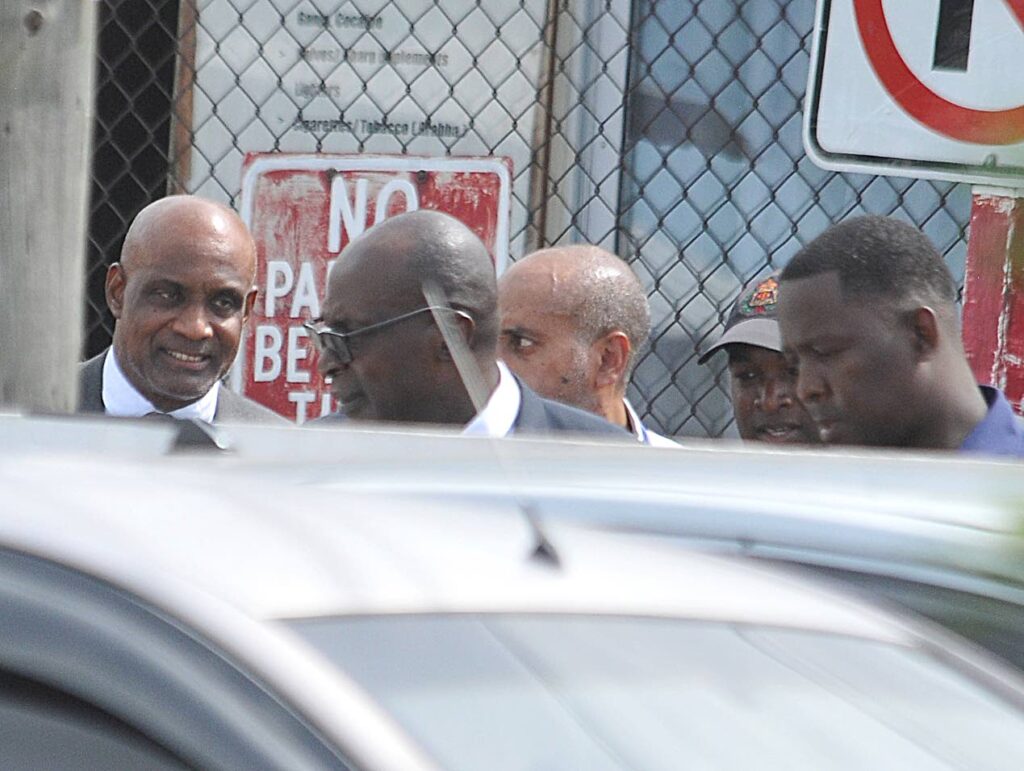
In a decisive move to conclude one of Jamaica’s most prolonged legal battles, Supreme Court Justice Sanchia Burrell has mandated that the high-profile fraud trial of former Education Minister Ruel Reid and his four co-accused must reach full resolution by July 2027. The ruling came during a case management session on Friday, where Justice Burrell emphasized the critical strain that extended litigation places on judicial resources and the fundamental rights of the defendants.
The case, which has been navigating the judicial system since its commencement on October 6, 2025, has been plagued by persistent delays including scheduling conflicts, overlapping attorney commitments, and previous judicial reviews. Justice Burrell articulated that the court must strike a ‘fair balance’ between prosecutorial thoroughness and the community’s right to timely justice, stating that ‘every trial which takes longer than it reasonably should is a waste of limited resources.’
Among the specific directives issued, Justice Burrell ordered the establishment of a rigorous trial timetable requiring four-day weekly court sessions, dedicated case management conferences with mandatory attorney attendance, and potential afternoon sittings to accommodate legal counsels involved in parallel proceedings—including the ongoing murder trial of six policemen which has recently impacted this case.
The defendants—Senator Reid, his wife Sharen Reid, daughter Sharelle Reid, former Caribbean Maritime University (CMU) President Fritz Pinnock, and Councillor Kim Brown Lawrence—face a complex web of charges centering on allegations that they orchestrated a sophisticated scheme to divert over $25 million from the Ministry of Education and CMU between 2016 and 2019.
Prosecutors allege that funds were illicitly acquired through fraudulent invoices for non-existent services, unauthorized salary payments, and controlled bank accounts—including one established by a domestic worker whose ATM card was allegedly commandeered by the accused. The charges include conspiracy to defraud, acquisition of criminal property, and corruption offenses under Section 15 of the Corruption Act, with all defendants having pleaded not guilty when the trial resumed last October.
Justice Burrell’s intervention represents an institutional effort to inject structure and momentum into proceedings that have remained stagnant for nearly six years, underscoring the judiciary’s growing intolerance for procedural delays in matters of significant public interest.