NASSAU, THE BAHAMAS – A silent crisis is unfolding in households across The Bahamas as children grapple with the traumatic loss of parents to gun violence, leaving relatives to navigate dual roles as caregivers and grieving family members.
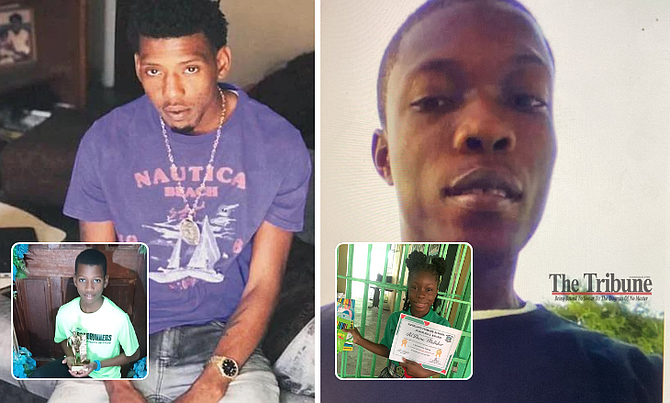
Tara Richardson embodies this struggle as she raises her 12-year-old grandson following the tragic shooting death of her son, Keion Butler, in 2019. The 23-year-old father was fatally shot while visiting friends in Coconut Grove when assailants opened fire on a group gathered in a yard. Now, Richardson dedicates herself to maintaining stability for her grandson—the couple’s only child—through education and sports, while concealing her own anguish. “When I look at him, I look at my son,” she revealed. “I don’t want to let him see me cry.”
The emotional toll manifests subtly in the boy’s behavior, particularly during school events where parental absence becomes painfully evident. Despite these challenges, Richardson remains committed to ensuring her grandson develops into a “good man” despite his traumatic childhood. When questioned about forgiveness for her son’s killers, she stated unequivocally that she cannot envision ever granting it.
In another household, 11-year-old Ri’Anna Melidor channels her grief into altruistic ambition. Since losing her father to gun violence on January 14, 2022, the Ridgeland Primary School head girl has conceived plans to establish a support club for children who have experienced similar tragedies. Her grandmother, Stephanie Johnson, acknowledges the child’s occasional depressive episodes but emphasizes how family members consistently reinforce memories of her father’s love, with the mother providing steadfast support.
Khandi Gibson, president of Families of All Murder Victims, highlights how society frequently overlooks the psychological impact on children affected by homicide. Having lost brothers to violence herself, Gibson witnessed firsthand how their deaths devastated the next generation, prompting her to establish the support organization. “We can’t expect them to just digest that,” she asserted. “They didn’t ask to come here. This is not their fault.”
Gibson advocates for greater public compassion toward those silently enduring profound personal loss, emphasizing that many community members carry invisible emotional scars from the nation’s escalating violence.