A groundbreaking historical publication examining St. Vincent and the Grenadines has emerged as a pivotal academic contribution to the Caribbean reparations movement. The comprehensive volume, titled “St. Vincent and the Grenadines – A General History to the Year 2025, Volume One,” presents meticulously researched evidence of African enslavement and indigenous genocide during European colonization.
Authored by distinguished Vincentian scholars Dr. Adrian Fraser, Dr. Cleve Scott, and Dr. Garrey Dennie, the work adopts an indigenous perspective that challenges traditional colonial narratives. The publication meticulously documents the systematic displacement and suffering of the Kalinago and Garifuna peoples, whose resistance against European land appropriation forms a central theme throughout the historical account.
During the official launch at the University of the West Indies Cave Hill Campus in Barbados, academic leaders emphasized the work’s significance. Dr. Rodney Worrell, Head of the Department of History, Philosophy and Psychology, highlighted the publication’s timely contribution to reparations advocacy, noting that it provides crucial evidence precisely when global attention focuses on historical justice.
Dr. Henderson Carter, Senior History Lecturer, detailed the work’s compelling findings, including the forced relocation of approximately 5,000 indigenous people to the barren island of Balliceaux in the 1790s—an act described as deliberate genocide due to the lethal conditions imposed. The publication further reveals how sugar production expansion directly correlated with the importation of approximately 16,000 enslaved Africans between 1791-1795.
The historical text incorporates primary source accounts, including testimony from enslaved individuals like Ashton Warner, who documented the brutal working conditions that caused numerous deaths during crop seasons. These firsthand narratives provide unprecedented insight into plantation operations from the perspective of the enslaved.
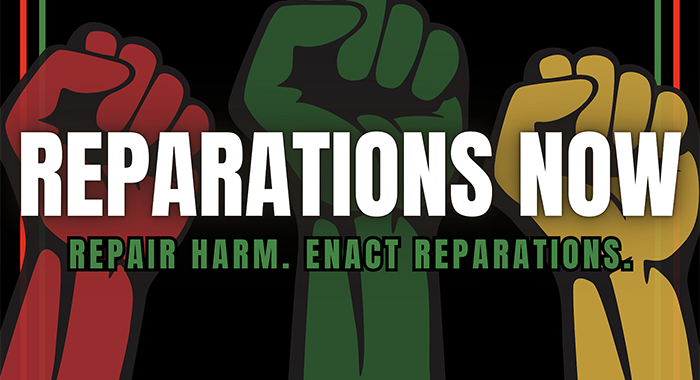
Academic authorities assert that this research strengthens the reparatory justice framework advanced by both the African Union, which has declared 2026-2036 as the Decade of Reparations, and the CARICOM Reparations Commission’s 10-point action plan. The work represents a significant advancement in historical scholarship that supports legal and moral claims for reparations through documented evidence of historical atrocities.