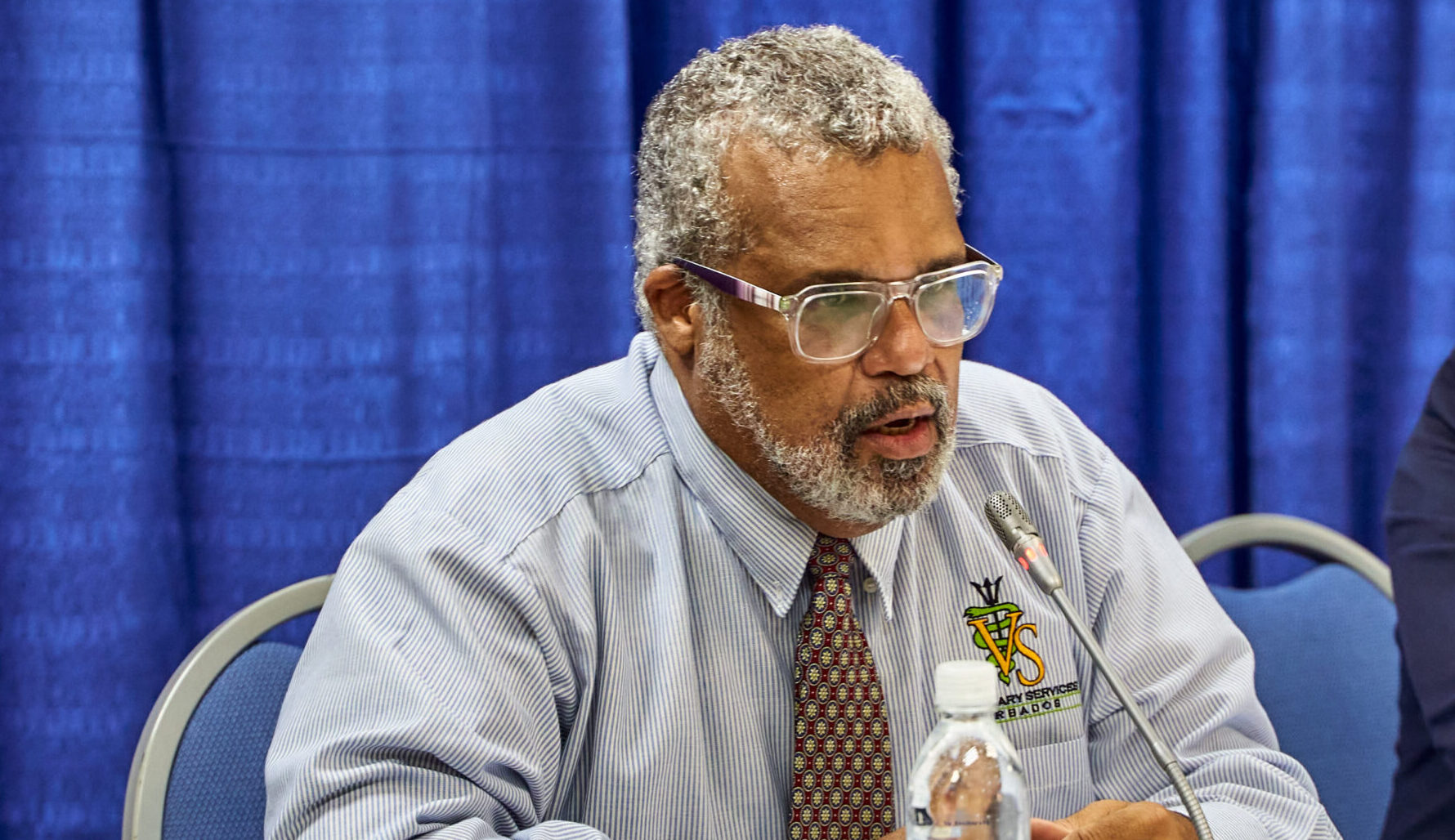
Barbados faces persistent threats to its agricultural sustainability and food security systems from the clandestine importation of unauthorized animal products, according to the nation’s top veterinary authority. Dr. Mark Trotman, Chief Veterinary Officer at the Ministry of Agriculture and Food Security, has issued a stern warning regarding the dangerous practice, emphasizing that smuggled commodities could introduce devastating animal-borne diseases with catastrophic potential for the island’s agricultural sector.
In an exclusive discussion with Barbados TODAY, Dr. Trotman revealed that ministry officials confront daily attempts by individuals attempting to bypass legal importation channels. The situation becomes particularly alarming, he noted, when these products originate from nations experiencing active outbreaks of contagious animal diseases.
“This constitutes an almost daily occurrence where passengers arrive carrying products, particularly animal-derived items,” Dr. Trotman stated. “Our primary concern emerges when diseases manifest in countries from which we typically import goods, necessitating immediate restrictions on specific commodities to prevent viral transmission into our territory.”
The veterinary expert explained that when travelers attempt to conceal products within their luggage without obtaining prior authorization, they create potentially hazardous situations. “Once these items land on Barbadian soil without proper import permits or accompanying health certification, they become prohibited entries—and by then, it’s already too late to prevent potential contamination risks.”
Despite these challenges, Dr. Trotman assured the public that regulatory agencies maintain firm control over the situation through collaborative efforts with the Customs Department. This interdepartmental cooperation has proven effective in identifying and intercepting the majority of illicit agricultural products before they cross the nation’s borders.
“We maintain robust systems for regulating animal and animal product imports,” Dr. Trotman affirmed. “While occasionally encountering unusual attempted smuggling operations, we depend significantly on Customs collaboration for detecting incoming risks. Our vigilance remains constant through stationed officers at both aerial and maritime ports who examine incoming commodities for potential threats to animal and public health.”
The Chief Veterinary Officer strongly advised citizens to adhere to established regulations and consult official channels before attempting any agricultural imports. While acknowledging that the veterinary department currently lacks an operational website—a situation reportedly in development—he directed the public to communicate via email at vetservices@agriculture.gov.bb for formal guidance and written requirements.
“The essential message is to follow official instructions and seek our direct guidance,” Dr. Trotman emphasized. “We provide comprehensive written documentation to eliminate any misinterpretation of importation protocols. When individuals contact us beforehand and fulfill import requirements, we typically encounter no difficulties. Problems arise primarily with previously banned items or deliberate attempts to circumvent restrictions despite clear prohibitions.”