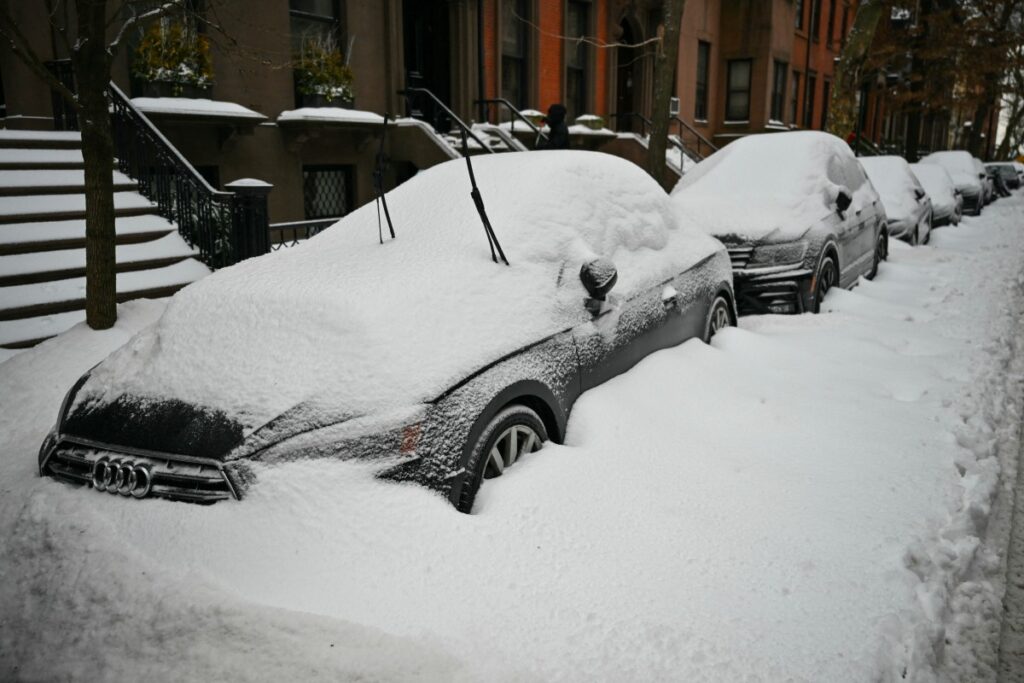
A catastrophic winter storm continues to wreak havoc across the United States, resulting in at least 30 fatalities and leaving more than 540,000 residents without electricity as of Tuesday morning. The severe weather system, characterized by an unprecedented Arctic air mass, has created life-threatening conditions from the southern states to the northeastern regions.
The National Weather Service issued warnings indicating that much of the northern United States will experience continuously subfreezing temperatures through February 1st. Southern states, typically unaccustomed to such extreme winter conditions, faced record low temperatures that crippled infrastructure and emergency response systems.
While some areas began to see clearing skies, northeastern states including Connecticut and Massachusetts received substantial snowfall accumulations exceeding 22 inches and 16 inches respectively. The storm’s impact extended beyond simple precipitation, generating a dangerous combination of heavy snow, freezing rain, sleet, and powerful winds that complicated recovery efforts.
The human toll continues to mount with deaths attributed to various causes including hypothermia, traffic accidents, and incidents involving snow removal equipment. Tragedy struck particularly hard in Bangor, Maine, where seven individuals perished in a small plane crash during takeoff amid blinding snow conditions. New York City authorities reported eight additional fatalities under investigation amid plummeting temperatures.
Critical infrastructure suffered severe disruptions with over 9,000 flight cancellations nationwide and transportation systems paralyzed across multiple states. Emergency warming shelters have been established in numerous municipalities including Nashville, where Mayor Freddie O’Connell reported continuing challenges with falling trees and ice-related power outages.
Meteorologists note the particular severity of this event stems from its widespread geographic impact, preventing better-prepared northern states from assisting southern regions that lack adequate winter response resources. The storm’s unusual characteristics, including exceptionally dry and fluffy snow, have created additional complications for visibility and road clearance operations.
Scientific analysis suggests the stretched polar vortex phenomenon behind this extreme weather event may be increasingly influenced by climate change factors, though research continues regarding the precise mechanisms and frequency of such disruptions.