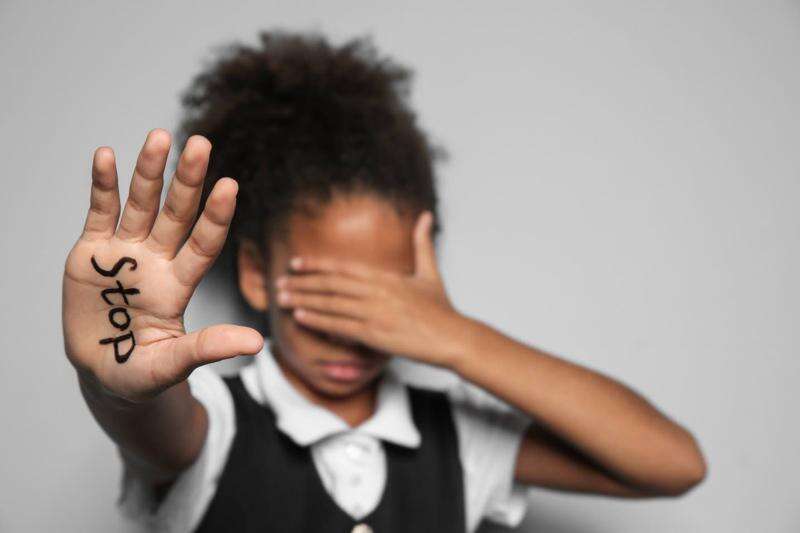
A groundbreaking collaborative study from the Pan American Health Organization (PAHO) and the United Nations Children’s Fund (UNICEF) has revealed a devastating epidemic of violence plaguing the youth of Latin America and the Caribbean. The report, formally titled ‘Violence against children and adolescents in Latin America and the Caribbean: New data and solutions,’ presents a harrowing portrait of a region where millions of young lives are endangered by pervasive physical, psychological, and digital abuse.
The most severe manifestation of this crisis is the alarming homicide rate. Between 2015 and 2022, an estimated 53,318 children and adolescents were murdered. Recent data reveals a complex and troubling gender disparity: while the homicide rate for adolescent boys (15-17 years) decreased from 17.63 to 10.68 per 100,000 between 2021 and 2022, the rate for their female counterparts more than doubled, skyrocketing from 2.13 to 5.1 per 100,000 in the same period.
The agencies attribute this lethal violence to a dangerous confluence of factors, including the proliferation of organized crime, easy access to firearms, deep-rooted social inequalities, and harmful gender norms. The report emphasizes that violence is not isolated but interconnected, often intensifying over a child’s lifetime. It begins shockingly early, with six out of ten children under 14 subjected to violent discipline at home. Educational environments offer no refuge, as one in four adolescents aged 13-17 endures bullying. Furthermore, nearly 20% of women in the region report experiencing sexual violence before turning 18, with digital environments emerging as a new, yet poorly documented, frontier for abuse.
Roberto Benes, UNICEF Regional Director for Latin America and the Caribbean, stated, ‘Every day, millions of children… are exposed to violence – at home, at school and in communities with a gang presence. Multiple places and situations in the region present real risks.’
PAHO Director Dr. Jarbas Barbosa highlighted the profound and lasting impact on both physical and mental health, asserting that health services are a critical line of defense. ‘When health workers identify people and groups at risk early and provide timely, quality support, they can make a real difference,’ he noted.
Beyond diagnosing the crisis, the report outlines a clear roadmap for change. It urges regional governments to enact a multi-faceted strategy: strengthening child protection laws, enforcing strict firearm control, training key frontline workers (police, teachers, health professionals), investing in safe schools, and scaling up support services for survivors. The findings were validated at a major regional ministerial consultation in October 2023, uniting over 300 officials and advocates to commit to building safer environments for the region’s future generations.