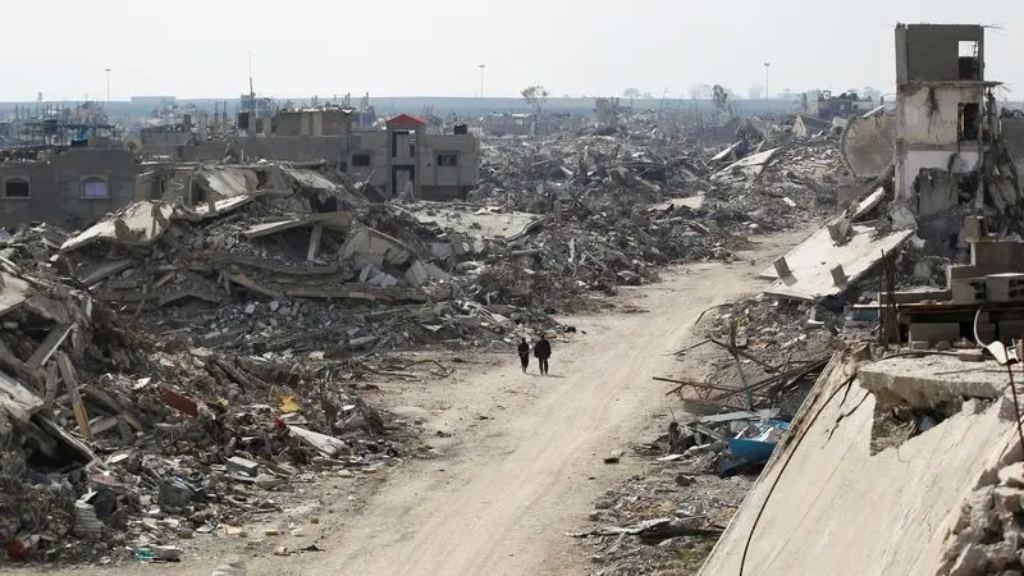
According to local activist reports, the Israeli military has significantly expanded its territorial control within the Gaza Strip since the October 10, 2025 ceasefire implementation. Initial assessments indicated Israeli forces controlled approximately 53% of the region when the truce began, but that figure has now grown to 60% of the territory.
The expansion encompasses substantial residential zones stretching from Rafah in the southern reaches to Beit Lahia and Beit Hanoun in the northern areas. Military operations continue particularly in the eastern sectors of Gaza City, where forces are engaged in what sources describe as systematic demolition and territorial consolidation activities.
Analysts suggest the ceasefire period provided strategic opportunities for the Israeli Armed Forces to advance into Palestinian residential districts within the coastal enclave. This military movement occurs amid one of the world’s most densely populated environments, with over 2.2 million residents confined to approximately 90 square kilometers of land.
The intensified military presence and ongoing operations have further exacerbated the humanitarian situation in the territory, creating additional challenges for civilian populations already facing severe resource constraints and infrastructure damage.