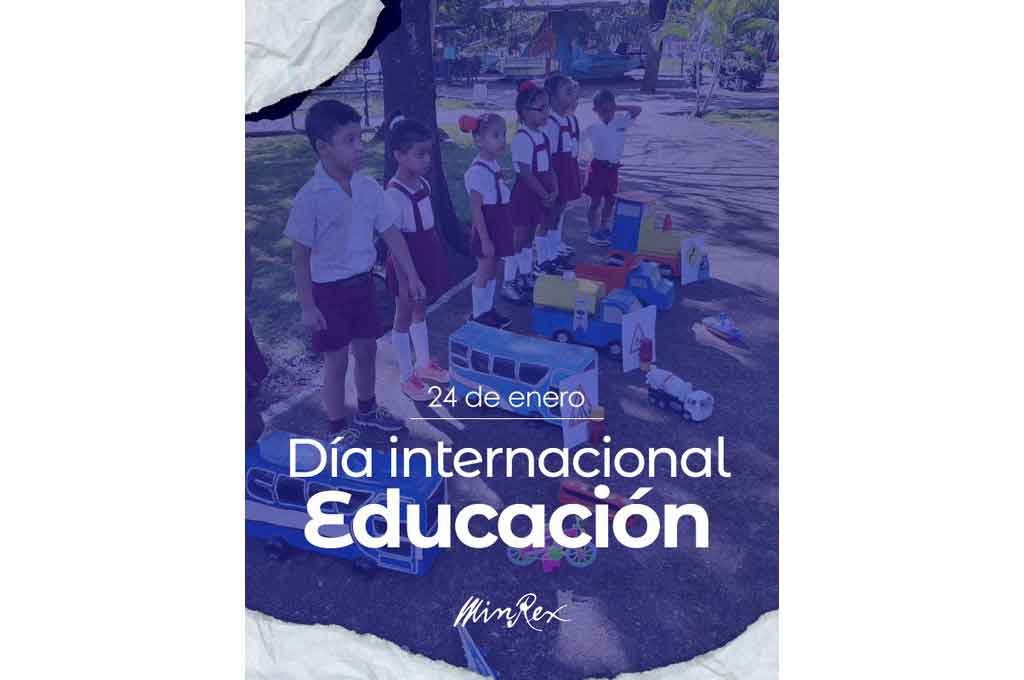
In a powerful address disseminated through social media channels, Cuban Foreign Minister Bruno Rodríguez Parrilla has reaffirmed his nation’s steadfast dedication to advancing free, universal, and inclusive education as an indispensable human right. The diplomatic statement emerged amid growing international concerns regarding global educational disparities.
Citing alarming UNESCO statistics, Rodríguez highlighted the profound crisis facing worldwide education systems, noting that 244 million children and adolescents currently lack any form of schooling. Further compounding this emergency, an additional 617 million young learners demonstrate insufficient proficiency in fundamental literacy and mathematics skills, creating what experts describe as a global learning poverty epidemic.
The Cuban diplomat positioned educational access as more than simply an academic concern, framing it as a critical mechanism for fostering international peace, cross-cultural understanding, and social inclusion. Rodríguez emphasized that strengthening educational frameworks represents a foundational pillar for sustainable human development and the eradication of systemic discrimination.
This declaration aligns with Cuba’s longstanding educational policy, which has historically prioritized comprehensive literacy programs and accessible education despite economic challenges. The Caribbean nation’s educational model has frequently been cited by international organizations for achieving remarkable literacy rates and educational participation levels.
The timing of this statement coincides with increased global attention on educational inequality following pandemic-related school disruptions that disproportionately affected developing nations. United Nations agencies have warned that without significant intervention, current educational deficits may severely hamper progress toward international development goals.