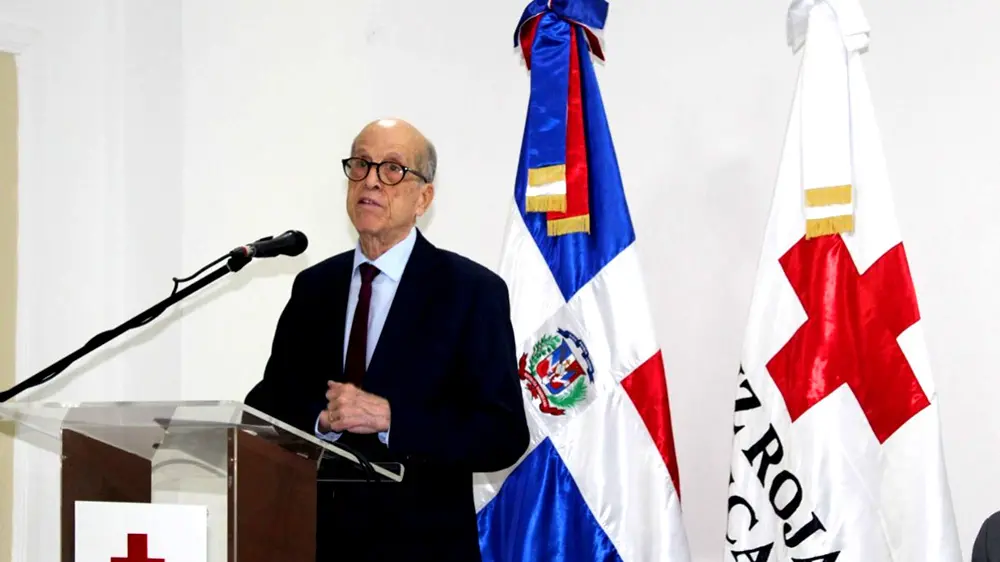
The Dominican Republic has taken a significant step in fortifying its national resilience against climate-induced disasters through the formal introduction of the Dominican Red Cross’s Climate Change and Environment Policy. This strategic framework is designed to substantially enhance the nation’s preparedness and response mechanisms in the face of a growing frequency and intensity of climate-related emergencies.
At the policy’s unveiling, Max Puig, the Executive Vice President of the National Council for Climate Change and the Carbon Market (CNCCMC), underscored the pivotal role of the Red Cross as a primary responder in crisis situations. He articulated that this new policy serves to strengthen comprehensive systems dedicated to the prevention, management, and mitigation of risks associated with a spectrum of climate threats. These include hurricanes, destructive floods, widespread forest fires, and the encroaching danger of sea-level rise.
Furthermore, Puig elaborated that the initiative is engineered to work in synergy with established programs, notably the National Multi-Hazard Early Warning System. This integration facilitates the advanced detection of extreme weather phenomena and empowers authorities to execute prompt, coordinated responses grounded in robust social protection principles. He concluded with a critical observation that climate change is a potent catalyst for deepening social and economic vulnerabilities, thereby making collaborative action between governmental bodies and humanitarian institutions like the Red Cross absolutely indispensable for safeguarding communities and preserving livelihoods across the nation.