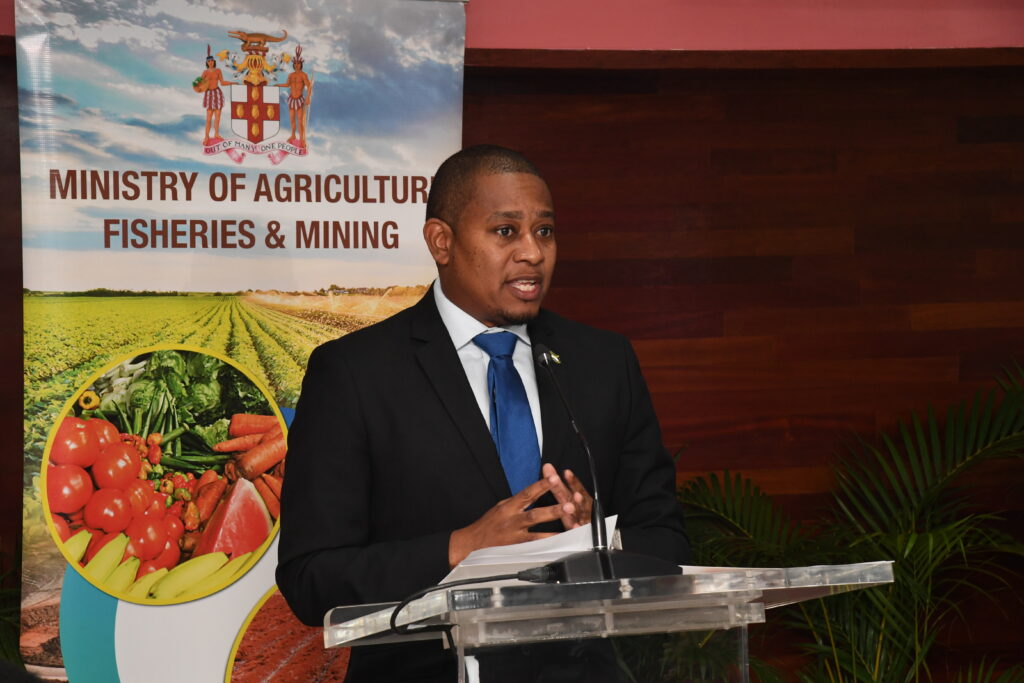
In an extraordinary display of agricultural resilience, Jamaica’s farming sector has achieved a substantial crop surplus less than three months after the devastating impact of Hurricane Melissa. Agriculture Minister Floyd Green announced this rapid recovery during a press briefing, highlighting significant overproduction of key vegetables including cucumbers, lettuce, pak choi, and string beans across multiple parishes.
The Category 5 hurricane, which struck on October 28, 2025, initially caused catastrophic damage estimated between $30-60 billion, affecting over 70,000 farmers and devastating crops, livestock, and irrigation infrastructure. Despite this destruction, strategic government interventions totaling approximately $70 million in direct support have catalyzed an impressive rebound.
Minister Green credited this recovery to multiple factors: the indomitable spirit of Jamaican farmers, comprehensive post-hurricane assistance programs, and significant policy adaptations. Support measures included a $40 million lease moratorium benefiting 440 investors across 2,750 hectares, distribution of seeds and fertilizers, extensive land preparation covering hundreds of acres, and critical infrastructure repairs including 10 kilometers of drainage systems.
Parish-specific production data reveals substantial surpluses: Clarendon leads with excess sweet potatoes and peppers, St. Elizabeth dominates squash and cauliflower production, while Manchester, Westmoreland, St. Anne, and St. Thomas all report significant vegetable gluts. This agricultural abundance has already translated into consumer benefits, with market prices plummeting between 14-77% across various produce items.
However, the recovery presents new challenges. Diminished demand from the hurricane-affected hospitality sector, operating at 30-80% capacity depending on the crop, has created market imbalances. Supply chain constraints, particularly limited cold storage capacity exacerbated by power disruptions, have further complicated surplus management.
To address these issues, the ministry is implementing a multi-faceted response: organizing island-wide farmers’ markets through RADA and JAS, developing agri-processing initiatives for value-added products, and finalizing a COVID-style buyback program for direct produce redistribution. Infrastructure enhancements include new renewable-powered storage containers in Flagaman and the upcoming Essex Valley Storage Facility with capacity for 22 container loads of fresh produce.
Minister Green emphasized the government’s commitment to building long-term resilience: ‘The lessons of Hurricane Melissa are being applied deliberately—from catastrophe funds and insurance to diversified markets and stronger infrastructure. We remain engaged, present and accountable to our farming communities as we drive this recovery together.’