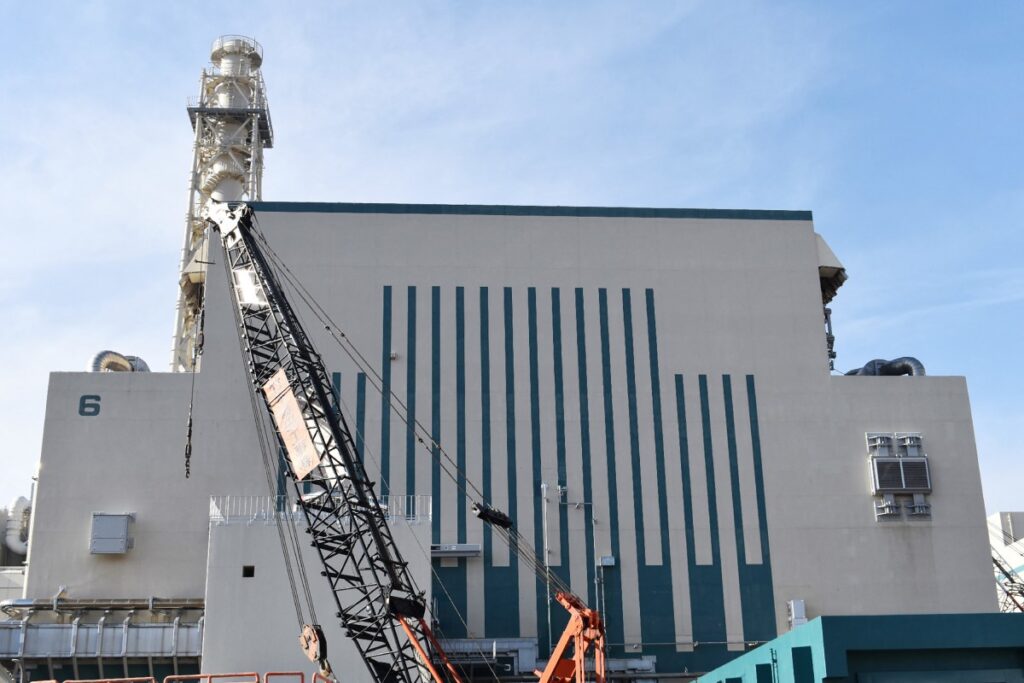
TOKYO — Japan’s ambitious plan to recommission the Kashiwazaki-Kariwa nuclear facility, the world’s largest atomic power station by capacity, encountered a significant setback Thursday when technical complications forced an indefinite suspension of reactor operations.
The Tokyo Electric Power Company (TEPCO), which operates the Niigata prefecture-based plant, confirmed that an alarm from the monitoring system activated during reactor startup procedures, prompting immediate suspension of the restart process. This development comes just one day after operations commenced following final regulatory approval from Japan’s Nuclear Regulation Authority.
Site superintendent Takeyuki Inagaki acknowledged the complexity of the situation, stating, “We don’t anticipate resolution within a day or two. The timeline for identifying and addressing the underlying cause remains uncertain at present.” The company has prioritized comprehensive investigation into the malfunctioning electrical equipment that triggered the alarm.
According to TEPCO spokesman Takashi Kobayashi, control rods were systematically reinserted into the reactor core once it became apparent that resolving the technical issue would require substantial time. Kobayashi emphasized that “the reactor maintains stable conditions with no detectable radioactive emissions beyond facility boundaries.”
This incident represents the second technical delay in the plant’s planned reactivation. The initial restart scheduled for Tuesday was postponed due to complications with control rod removal detected last weekend, though those issues were reportedly resolved by Sunday.
The Kashiwazaki-Kariwa facility, boasting seven reactors with combined capacity of 8.2 gigawatts, has remained inactive since Japan’s nationwide nuclear shutdown following the 2011 Fukushima Daiichi catastrophe. The current restart effort involves bringing just one reactor back online initially.
Japan’s push to revive nuclear energy stems from multiple factors: the nation’s resource scarcity, carbon neutrality objectives by 2050, and escalating energy demands driven partly by artificial intelligence infrastructure requirements. The Kashiwazaki-Kariwa restart marks TEPCO’s first nuclear reactivation since the Fukushima disaster, which the company also operated.
Public sentiment in Niigata remains sharply divided regarding the plant’s reactivation. A September survey revealed approximately 60% of local residents oppose the restart, while 37% support it. Opposition groups have highlighted seismic concerns, noting the facility’s location on an active fault zone and referencing damage sustained during a 2007 earthquake. Earlier this month, seven activist organizations submitted a petition with nearly 40,000 signatures to regulatory authorities questioning the plant’s safety preparedness.