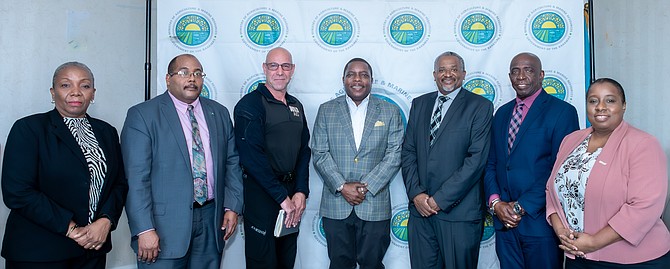
The Bahamas is escalating its maritime enforcement operations against a proliferation of unlicensed foreign fishing charter vessels, with authorities warning that hundreds of illegal operators are now under investigation. This aggressive stance follows last week’s apprehension of the Rayne Check, a vessel allegedly conducting unauthorized sports fishing charters in Bahamian waters—marking the third such seizure within 13 months.
Mike Cenci, a senior law enforcement advisor with WildAid and veteran investigator with three decades of experience combating illegal fishing practices, revealed that the scale of unauthorized charter operations has reached critical levels. “It’s out of control,” Cenci stated, emphasizing that systematic enforcement would require sustained effort to effectively reverse the trend. The recent seizure operation, which involved multiple government agencies including the newly established Maritime Revenue Unit, signals a coordinated approach to maritime law enforcement.
The financial impact of these illegal operations is substantial. The Rayne Check was reportedly charging clients $45,000 for five-day fishing excursions, translating to approximately $9,000 daily. After accounting for operational expenses, investigators estimate profit margins could reach $6,500 per day for unauthorized operators. More significantly, the cumulative effect of hundreds of such vessels operating without licenses potentially costs the Bahamian economy millions annually in lost revenue and fisheries value.
Paul Maillis, Secretary of the National Fisheries Association, characterized the enforcement actions as “an exciting time for Bahamian fishermen,” noting that the consistent application of maritime laws represents a significant shift in policy implementation. Beyond economic considerations, Maillis highlighted the damage to The Bahamas’ international reputation when visitors participate in illegal charters without consequence.
Environmental sustainability concerns are equally pressing. Cenci warned that the sophisticated equipment employed by these charters enables unsustainable harvesting levels that threaten marine resource viability. “Remove the healthy marine resources,” he cautioned, “and it becomes Haiti in terms of the likely economic and social fall-out.”
Enforcement strategies have evolved to include monitoring social media platforms where illegal charters advertise services. Authorities confirmed active surveillance of Instagram and Facebook posts to identify vessels promoting unauthorized Bahamian fishing trips before they even clear customs.
The government’s reinforced approach has garnered support across multiple ministries—national security, finance, and agriculture and marine resources—demonstrating political commitment to addressing the issue. Both Cenci and Maillis encouraged public participation through reporting suspicious operations, emphasizing that continued vigilance and cooperation are essential to preserving The Bahamas’ marine ecosystem and protecting legitimate local fishing industries.