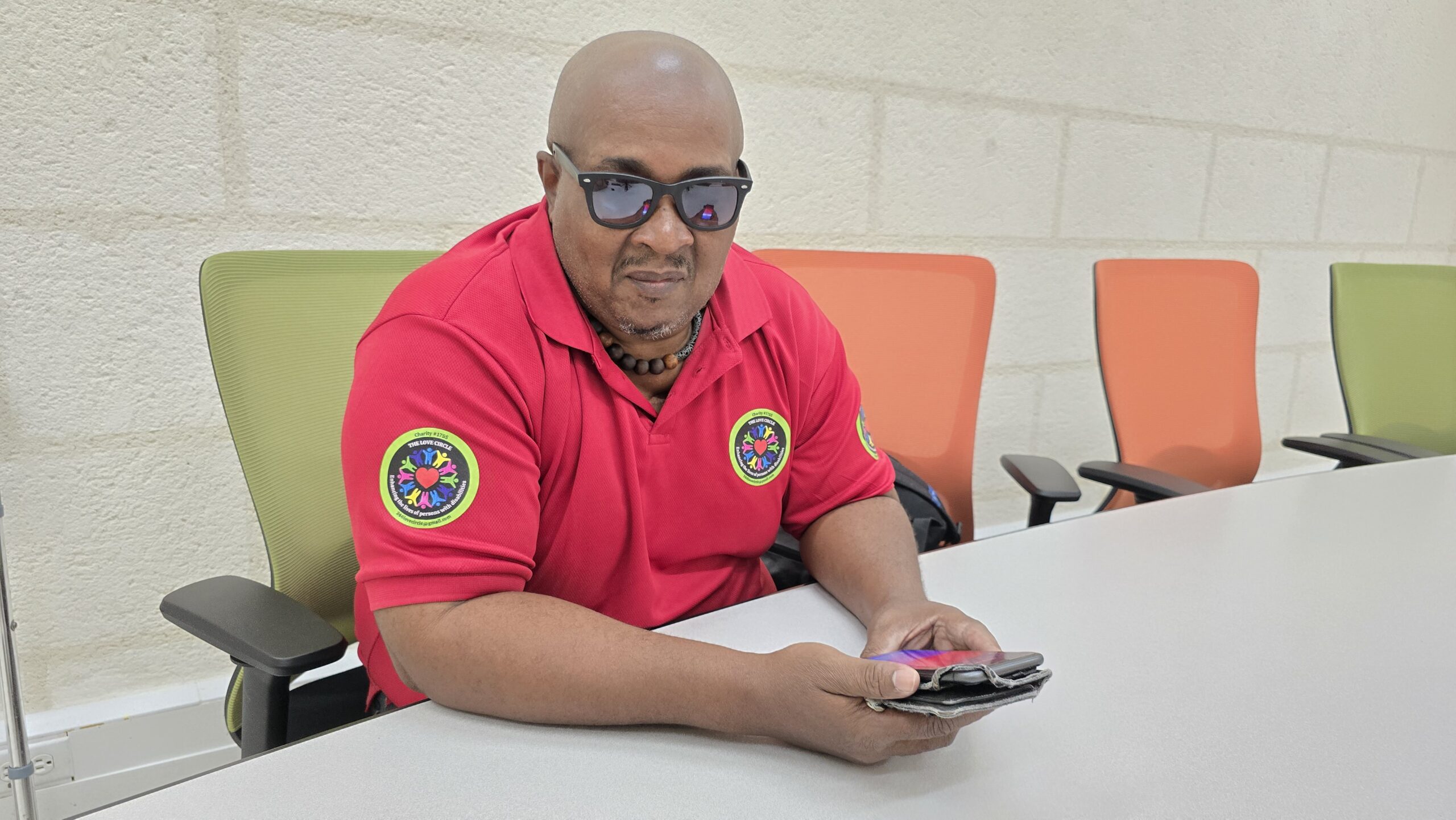
A Barbados-based disability-led organization is calling for increased financial support to scale its innovative training initiative designed to foster self-sufficiency among disabled and marginalized individuals. The Love Circle, founded three years ago as an inclusive collective of both disabled and non-disabled members, has strategically pivoted from temporary aid provision to comprehensive skills development after identifying systemic gaps in conventional support structures.
Executive Director Ralbert Ashton explained the organization’s evolution, noting that repetitive assistance patterns revealed the limitations of short-term solutions. “We observed the same individuals returning consistently for food parcels and utility bill support,” Ashton stated. “This cyclical dependency prevented us from extending help to others in need and prompted our transition from handouts to sustainable empowerment.”
Launched in September 2024 at the Barbados Council for the Disabled, the pilot program currently serves 18 participants through practical skill-building workshops. Curriculum components range from artisanal soap and candle crafting to decorative balloon artistry and commercial food preparation—all strategically designed to create income-generating opportunities.
Funding remains the primary constraint for program sustainability. Current support derives mainly from religious organizations including Seventh-day Adventist churches and Beach Church, supplemented by personal contributions from Love Circle members—many surviving on modest pensions themselves. A recently organized fundraising concert yielded limited returns due to insufficient publicity, highlighting the organization’s promotional challenges.
Despite financial hurdles, The Love Circle is pursuing strategic partnerships to enhance program impact. Ongoing discussions with the Small Business Association aim to provide formal business development support for aspiring entrepreneurs, while future collaborations with the Labour Office could institutionalize program benefits.
The organization has already equipped several participants with professional tools and equipment to launch micro-enterprises. With adequate funding, planned expansions include upholstery workshops, winemaking courses, and additional soap-making classes responding to demonstrated community interest.
“The demand for practical skills training is undeniable,” Ashton emphasized. “Our participants have shown remarkable engagement—what we require now is sustained investment to transform potential into lasting economic independence.”