KINGSTON, Jamaica — In a concerted effort to bolster national resilience, Jamaican authorities and construction experts are issuing urgent calls for stringent compliance with building codes as the cornerstone of earthquake preparedness. With the island nation situated in a seismically active zone, the absence of seasonal patterns or reliable warnings for earthquakes makes structural integrity a critical public safety priority.
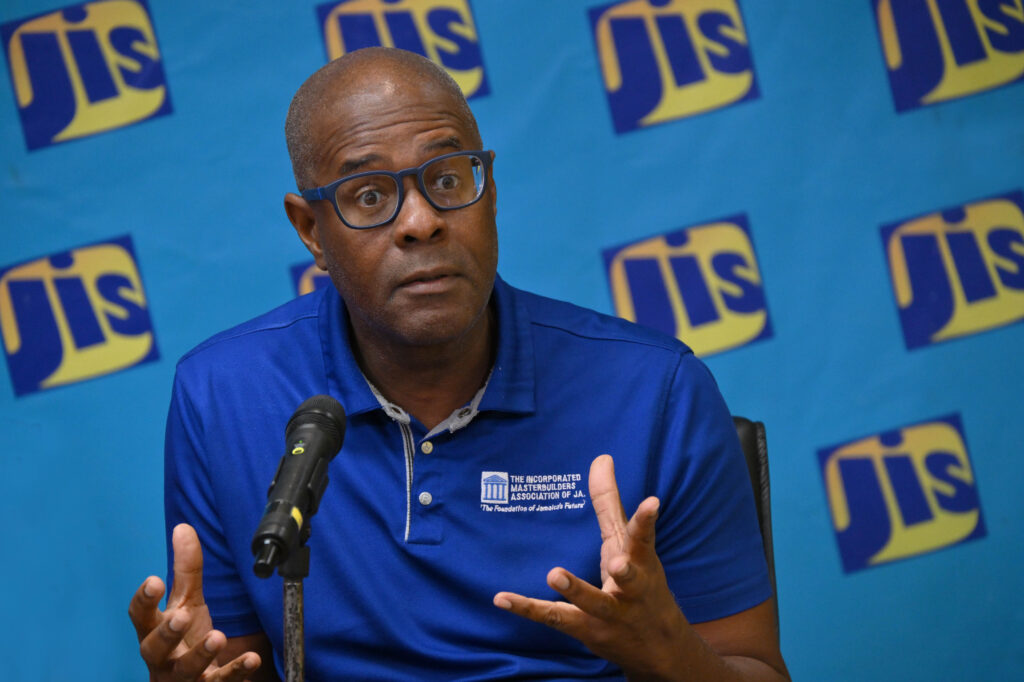
Lenworth Kelly, former president of the Incorporated Masterbuilders Association of Jamaica (IMAJ), emphasizes that natural phenomena only become disasters through inadequate preparation. “I encourage homeowners to verify whether structures—whether rented, purchased, or public buildings—were designed and maintained according to current codes,” Kelly stated during a recent JIS Think Tank session. He highlighted that proper engineering analysis, design construction, and maintenance aligned with the National Building Codes significantly mitigate earthquake impacts.
The campaign gains added urgency following Hurricane Melissa’s devastation last October, which compromised numerous commercial and residential structures. Duane Allison, Senior Building Officer at the Kingston and St Andrew Municipal Corporation (KSAMC), underscores the legal imperative of the Building Act (2018). “Building codes ensure occupancy safety. Jamaica’s geographical location makes us highly prone to earthquakes, and unapproved, poorly maintained buildings are most vulnerable to severe damage or collapse,” he explained, urging citizens to seek KSAMC approval before construction.
Collaborative enforcement involves the Jamaica Fire Brigade (JFB), which conducts pre-construction and phased inspections to ensure code adherence. Superintendent Emeleo Ebanks, Public Education Officer at JFB, notes that while Jamaica has world-class building codes, their effectiveness hinges on compliance.
Kelly further advises prospective homeowners to secure structural engineer reports—even if not required by lenders—to assess building safety. He also cautions against construction in no-build zones, unstable slopes, or watersheds, recommending soil tests via trial pits to determine suitable foundation designs. “Clay soil necessitates different designs than standard strip footings. Contractors must alert clients and professionals if soil is unsuitable,” he added, warning that shortcuts lead to catastrophic failures as evidenced by Hurricane Melissa.
With a magnitude 3.1 earthquake already recorded in 2026, the Office of Disaster Preparedness and Emergency Management (ODPEM) observes Earthquake Awareness Week (January 11–17) under the theme ‘Resilient Jamaica: We Weather the Storm and Brace for the Shake’. Kelly concludes that while earthquake drills are vital, true preparedness lies in conscientious construction and maintenance practices: “Be vigilant, be safe.”