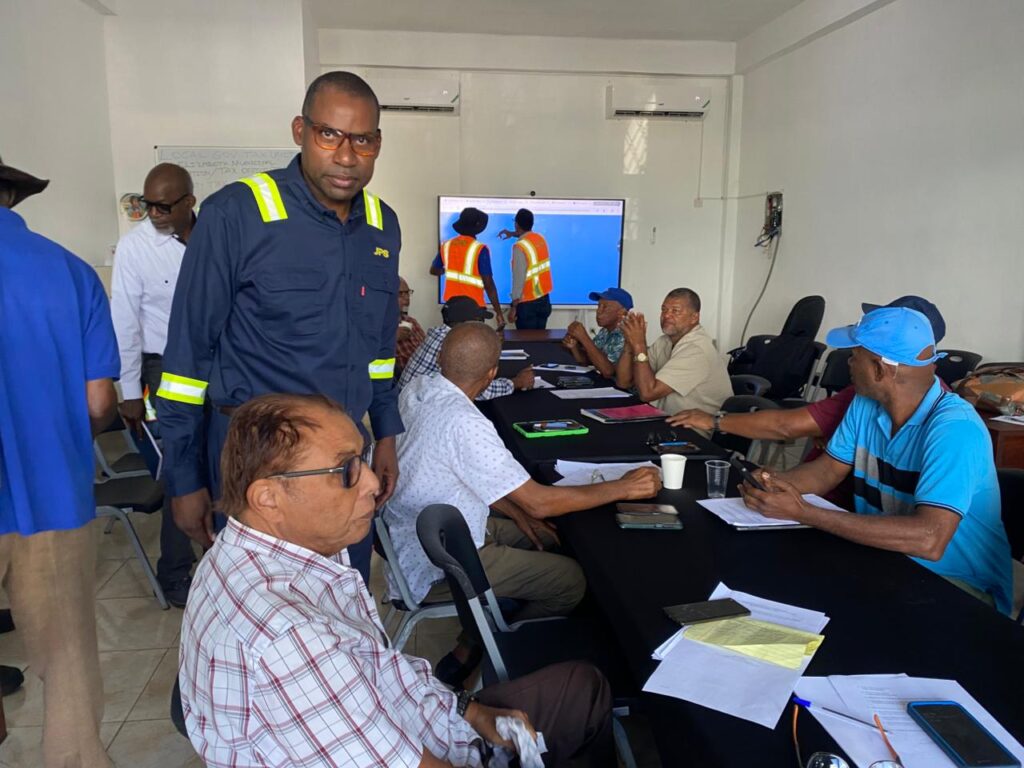
Local government representatives in St Elizabeth Parish, Jamaica, are engaged in critical discussions with the nation’s primary electricity provider, Jamaica Public Service Company (JPS), seeking concrete timelines for restoring power to communities still without electricity nearly three months after Hurricane Melissa’s devastation.
The high-stakes meeting, convened in Santa Cruz and attended by JPS Chief Executive Officer Hugh Grant, follows the utility company’s previous refusal to address media inquiries. Councillor Christopher Williams (Jamaica Labour Party, Santa Cruz division) expressed cautious optimism, noting that JPS had requested detailed information about affected communities earlier this week. “We have furnished JPS with that information, so today we are expecting to get some timeline from them,” Williams stated.
Significant areas remain without power across multiple divisions, including critical infrastructure such as the Santa Cruz Infirmary on Institution Drive. The Santa Cruz division alone reports outages in Rocky Hill, Park Mountain, Good Hope, Abraham, Burnt Ground, New River, and Brighton. Similarly, Councillor Donovan Pagon (People’s National Party, Braes River division) identified Braes River, Elim, Red Ground, George’s Valley, Grosmond, and sections of Wilton, Southampton, and Northampton as still awaiting restoration.
Residents have been burdened by substantial generator costs, creating mounting pressure on local representatives. Williams acknowledged the growing frustration among constituents, emphasizing that any delay beyond the end of January would be “disheartening.”
The closed-door negotiations occur against the backdrop of national restoration statistics presented to Parliament by Energy Minister Daryl Vaz. According to official figures, 491,000 of the original 542,000 customers who lost power during the October 28, 2025 hurricane have been reconnected, representing approximately 92-93% national restoration. However, the remaining 51,000 disconnected customers are concentrated in hard-hit regions like St Elizabeth, where infrastructure damage was most severe.