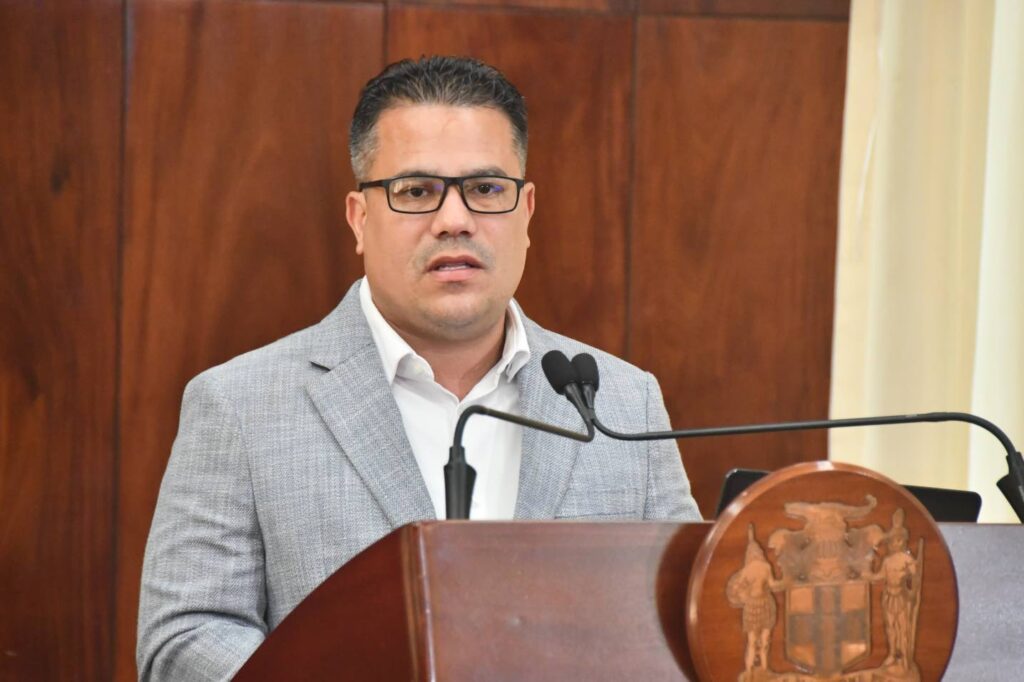
KINGSTON, Jamaica – In a decisive response to extensive forest destruction caused by Hurricane Melissa last October, the Jamaican government has unveiled a comprehensive dual-phase reforestation strategy. Environment Minister Matthew Samuda announced Operation RE-LEAF and the second phase of the National Tree Planting Initiative (NTPI2) during a parliamentary session this week.
Scientific assessments conducted by the Forestry Department revealed alarming damage, with 51% of affected forests suffering moderate to severe devastation. The hurricane left behind broken and uprooted trees, exposed soils, and significantly compromised watershed functionality through substantial canopy loss.
Minister Samuda warned that such extensive forest destruction carries “real, immediate and potentially catastrophic consequences,” including heightened water insecurity, increased flooding and landslide risks, biodiversity degradation, and the undermining of years of public investment in environmental conservation.
The newly developed RE-LEAF Initiative (Reforestation, Ecological Enhancement and Landscape Framework) represents Jamaica’s operational blueprint for both post-hurricane recovery and long-term ecological resilience. This targeted, tiered approach prioritizes interventions based on damage severity, watershed importance, community risk factors, and operational feasibility.
During Phase One (January-June 2026), authorities will plant 300,000 seedlings, with over 170,000 destined for critical watershed areas and 50,000 for urban and peri-urban regions. Notably, 30,000 fruit trees will be incorporated to simultaneously address ecological restoration and food security needs.
Concurrently, NTPI2 aims to plant three million trees, mirroring the achievement of its predecessor program. This initiative will be fully integrated into the RE-LEAF framework, reinforcing governmental commitments to watershed protection, biodiversity conservation, urban greening, and climate adaptation.
The five-year program launches between January 29 and February 2 with strategic planting activities spanning forest reserves, private lands, mangrove ecosystems, and urban centers across multiple parishes including Trelawny, St. James, St. Elizabeth, and communities such as Black River and Savanna-la-Mar.
Minister Samuda emphasized that these locations were strategically selected to represent an integrated governmental approach connecting forest management to water security, sustainable land practices, climate resilience, food production, and community engagement.