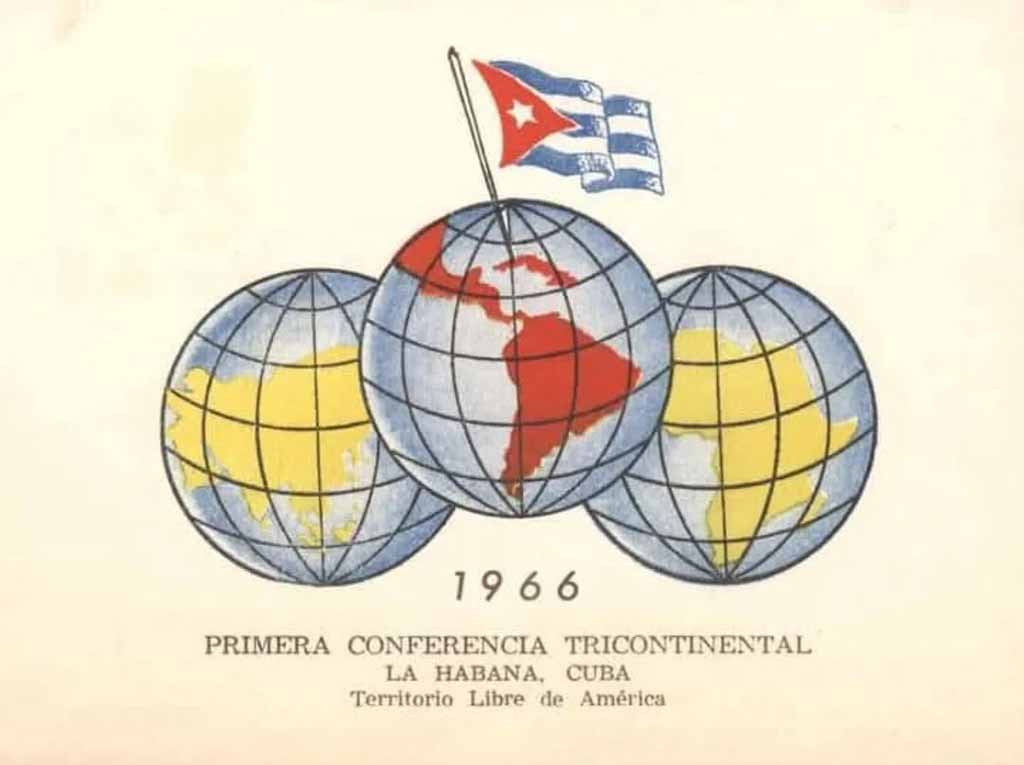
An international academic gathering of significant scale is currently underway, marking the sixtieth anniversary of the pivotal Tricontinental Conference originally held in Havana. This twentieth edition of the congress, organized under the theme “60 Years After the Tricontinental Conference: Context, Impact, Legacy, and Future,” brings together scholars from across the globe to examine the historical event’s enduring relevance in contemporary discussions on anticolonialism, anti-imperialism, and decolonization.
The congress represents the culmination of longstanding academic collaboration between British and Cuban institutions. The Centre for Research on Cuba and the Cuba Research Forum initially emerged from a partnership between the University of Wolverhampton and the University of Havana established in 1998, with the University of Nottingham later joining the initiative in 2003.
This year’s event features an extensive program with 43 panels and presentations by 170 distinguished speakers representing nearly one hundred universities and research centers from all continents. The substantial participation underscores the continued global interest in the Tricontinental Conference’s legacy.
Organizers emphasize that the commemoration has gained increased significance given current global developments, with the renewed focus on the Global South’s contributions providing critical perspectives on unfolding regional and world events. The original 1966 conference assembled over 500 delegates from more than 80 countries and colonies across Africa, Asia, and the Americas, representing what was then termed the Third World. Historic figures including Salvador Allende of Chile, Amilcar Cabral of Guinea-Bissau, and Cheddi Jagan of Guyana participated in the landmark gathering that sought to forge solidarity against colonial and imperial domination.
The contemporary congress continues through Wednesday, January 14, facilitating important academic exchanges and analyses that connect the historical context of the Tricontinental Conference with present-day geopolitical dynamics.