Residents of Dover, St. Mary, are confronting severe flooding that has surpassed the impact of Hurricane Melissa, attributing the crisis to chronically clogged drainage systems. Following an initial reprieve from the hurricane’s full force last October, the community has been subjected to intense rainfall from an unstable weather system persisting into the new year, resulting in impassable roads and homes inundated with murky water.
Eyewitness accounts reveal the sudden and alarming nature of the flooding. Latoya Hall described receiving a frantic call from her uncle, prompting her to discover her verandah submerged and water encroaching into her home. Immediate action to elevate appliances and belongings prevented destruction, but Hall emphasized this was an unprecedented event, with water levels exceeding those experienced during the hurricane.
The persistence of the problem is evident days after the rains, with stagnant water pools remaining throughout the community. Investigations point to obstructed drains as the core issue. Laura Samuels explained the failure of local flood mechanisms, noting that a nearby gully, overwhelmed by volume and debris, overflowed for the first time since its construction. She and her neighbors manually extracted a significant pile of branches and sticks from the drains, which they identified as a primary cause of the water buildup.
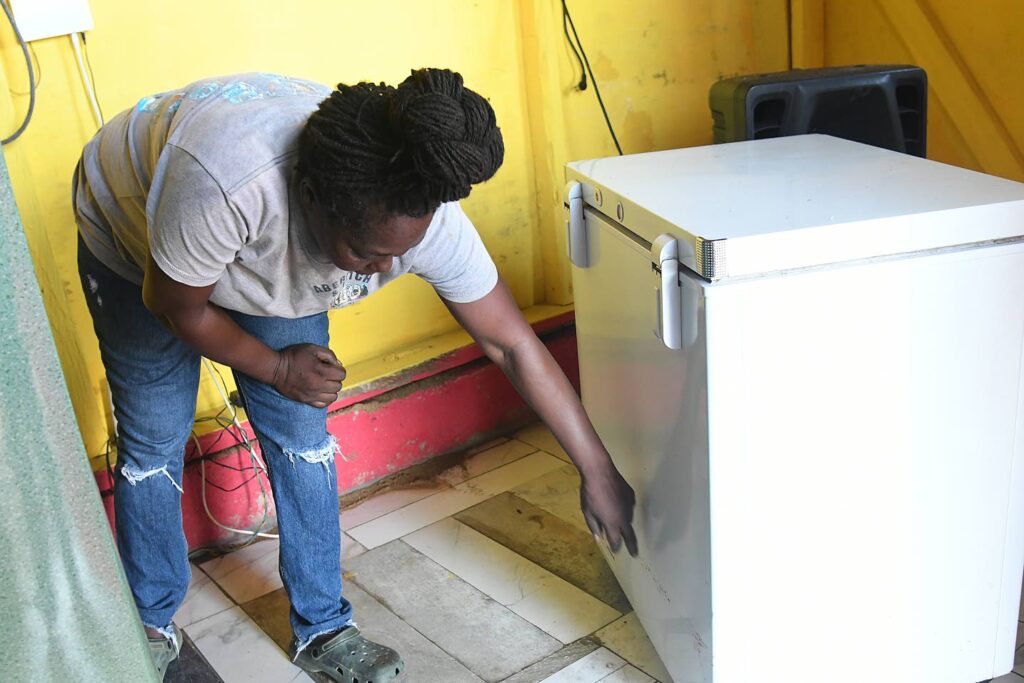
This sentiment is echoed across Dover, with multiple households reporting flood damage. Donnaree McIntosh shared that her home and business were affected, with water marks indicating ankle-high flooding inside her bar. She warned that the already saturated land could lead to worsening conditions with any additional rainfall.
The community’s response includes urgent appeals for improved infrastructure management. Residents are calling for systematic and regular cleaning of drains and the riverbed under a key bridge, arguing that partial efforts are ineffective. An anonymous resident noted that overgrown vegetation under the bridge constricts water flow through culverts, exacerbating flooding. Additionally, the force of the water has damaged local pipes, disrupting the domestic water supply.
While most blame poor maintenance, some, like Latoya Clemetson, propose structural solutions, suggesting that raising the height of drain channels at hillside bases could prevent water from overflowing into homes situated below road level. The collective experience has left the community of Dover advocating for comprehensive and preventative measures to mitigate future disasters.