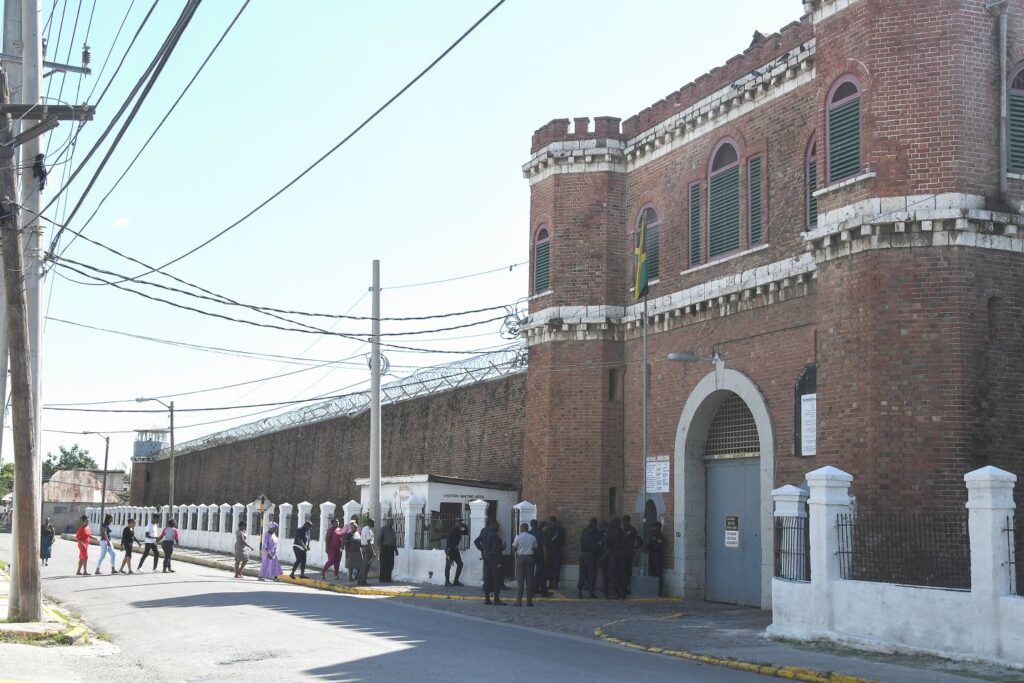
A significant legal confrontation has emerged in Jamaica’s Home Circuit Court, centering on attorney access to electronic devices within correctional facilities. The Department of Correctional Services (DCS) issued an official denial Thursday refuting claims that lawyers are being prohibited from bringing cellphones and digital devices into prisons when consulting with incarcerated clients.
The controversy surfaced during preliminary proceedings for the landmark trial of Tesha Miller and 24 co-defendants, who face extensive charges under anti-gang legislation including murder and robbery allegations. Miller is identified as the alleged leader of the Clansman gang faction based in Spanish Town, St. Catherine.
Wednesday’s scheduled trial commencement collapsed as prosecutors requested a substantial 12-14 week adjournment to complete documentation and finalize case preparations. Presiding Judge Dale Palmer rejected this extended delay, instead mandating that DCS representatives, including Commissioner of Corrections Brigadier Radgh Mason, appear in court Friday to address the device access policy.
Defense attorneys presented compelling arguments against the device restrictions. John Clarke, representing Miller, revealed he had raised concerns since April 2024 regarding electronic disclosure accessibility. Clarke described inconsistent implementation across facilities, noting that while medical professionals receive device access privileges, attorneys remain restricted despite judicial correspondence advocating for their access.
Co-counsel Tameka Harris expressed profound frustration, disclosing that the matter had been discussed in multiple stakeholder meetings with Commissioner Mason, who had previously committed to resolving the issue through formal institutional orders. Harris emphasized the practical impossibility of adequately presenting digital evidence—including videos and audio recordings—without electronic devices, potentially compromising defendants’ rights to comprehend evidence against them.
The DCS response affirmed its commitment to inmates’ constitutional rights to legal representation, referencing February 2025 discussions with the Jamaica Bar Association and subsequent March 2025 correspondence from Commissioner Mason. The department stated it facilitates legal consultations through virtual platforms and permits electronic devices when “safe, reasonable, justified and practicable,” while encouraging formal reporting of any rights violations.
Judge Palmer, adamant about progressing the long-pending case, declared a June adjournment unacceptable and scheduled Friday’s hearing to determine a reasonable preparation timeline, acknowledging the substantial judicial resources already invested in this complex gang prosecution.