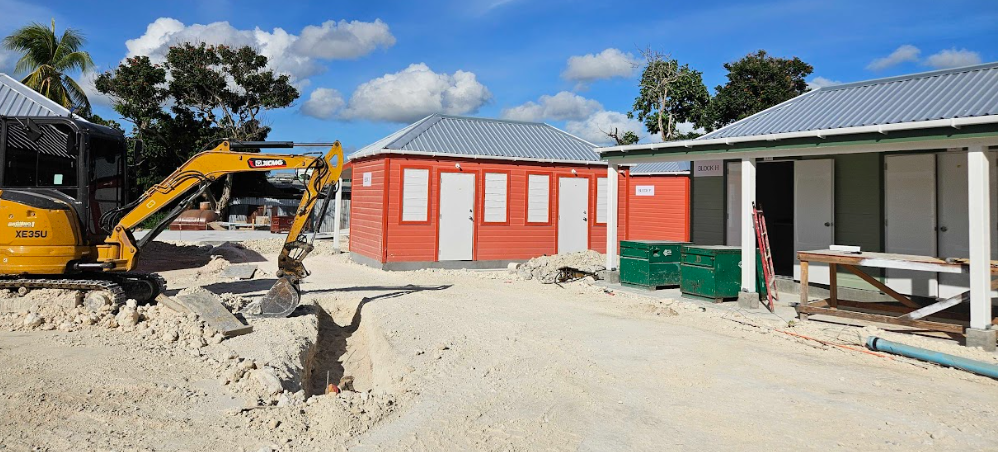
After years of delays and unfulfilled promises, the revitalization of Temple Yard in Cheapside is finally approaching its inaugural phase completion. This ambitious cultural regeneration project, orchestrated by Barbados Tourism Investment Inc., marks a significant milestone in restoring the area’s historical legacy as a vibrant epicenter for artistic expression, culinary diversity, and traditional craftsmanship.
The redevelopment initiative, initially announced in 2019 during Barbados’ 53rd independence anniversary, represents the government’s commitment to rectifying historical discrimination while fostering inclusive economic opportunities. Prime Minister Mia Mottley previously emphasized the project’s role in eliminating societal prejudices, particularly against the Rastafarian community, through cultural space renewal.
Joy-Ann Haigh, spokeswoman for the development corporation, confirmed that phase one construction is weather-dependent but targeted for completion by month’s end. Subsequent phases are scheduled to commence immediately afterward, with full operational capacity expected within the first half of this year.
Administrative preparations are already underway to facilitate the return of displaced artisans, beginning with original Temple Yard occupants currently relocated to Pelican Island. Lease agreements and backend administrative work are being finalized to ensure a smooth transition for approximately 40 vendors, including food purveyors, leatherworkers, and craft producers.
While emphasizing the restoration of Temple Yard’s distinctive character with particular attention to natural products and traditional Rastafarian crafts, Haigh clarified that the revitalized space intends to be inclusive rather than exclusionary. Priority placement will be granted to original tenants, but the hub aims to welcome a diverse cross-section of creatives and small entrepreneurs.
Veteran leather artisan Ras Binghi, with over thirty years of experience, expressed profound enthusiasm about returning to his cultural home. ‘It’s like a child being away from home and wants to get back home,’ he emotionally described. Artisans will undergo re-registration processes with government coordination before resuming operations.
Despite widespread anticipation, some craftspeople maintain cautious optimism. Sherry-Ann Knight, a twenty-year veteran, acknowledged the visible progress while adopting a wait-and-see approach. The relocation proved financially challenging for many, with sales dropping dramatically due to reduced visibility and customer accessibility.
The completed cultural hub promises to enhance Bridgetown’s aesthetic appeal while revitalizing urban commerce, creating a sustainable ecosystem where traditional craftsmanship and contemporary entrepreneurship can flourish side by side.