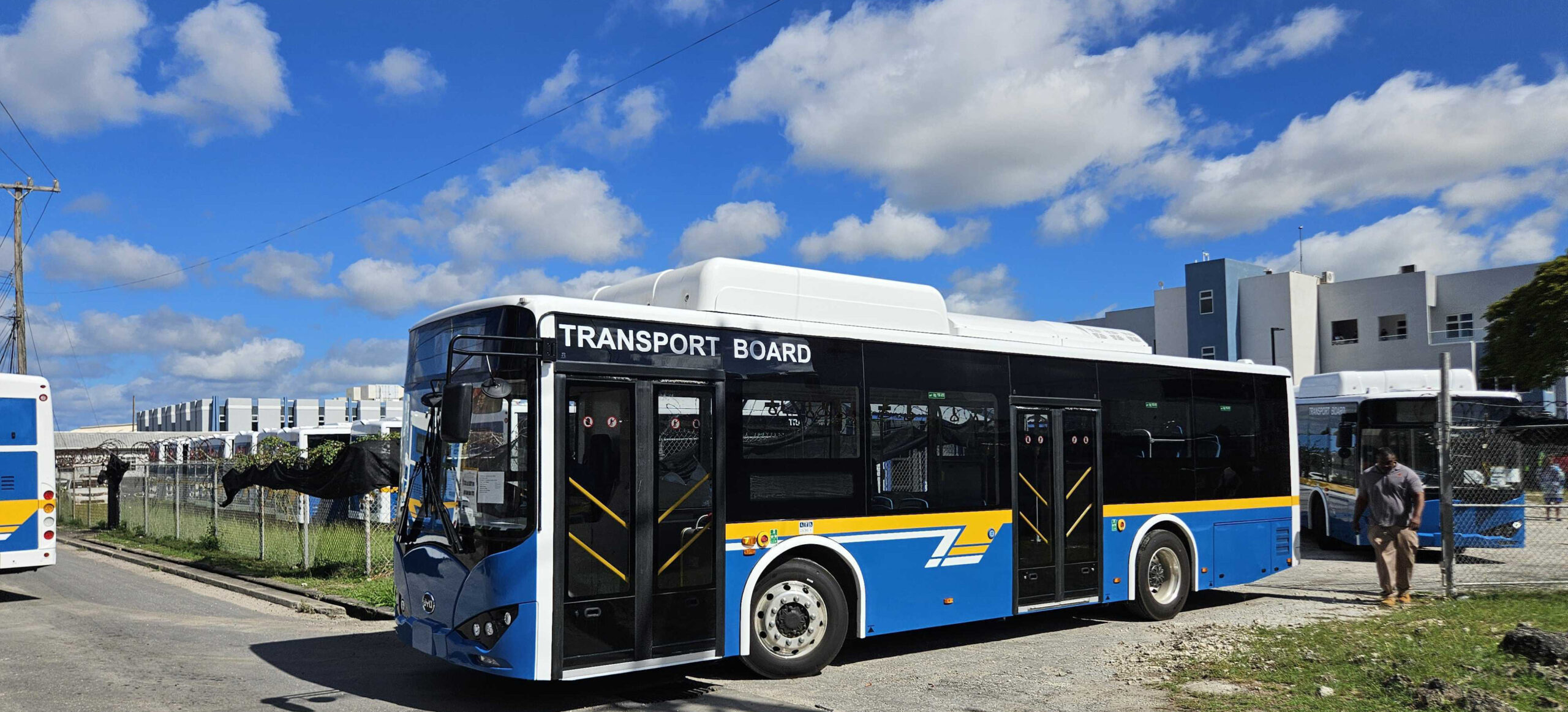
The Barbadian government has announced an ambitious timeline to revolutionize its public transportation network, with Deputy Prime Minister Santia Bradshaw committing to a comprehensive cashless overhaul for all Transport Board buses by early 2025. This transformative initiative promises to deliver real-time bus tracking and dependable scheduling in a bold attempt to convince motorists to abandon their cars and restore eroding commuter confidence.
Speaking on Wednesday, Bradshaw revealed that the technical hurdles which previously slowed implementation have been successfully addressed, including resolving the single outstanding secondary school issue from the initial educational rollout. While acknowledging that the pace of modernization hasn’t always met public expectations, she emphasized the administration’s unwavering dedication to creating a more reliable and efficient public transit ecosystem.
The technological cornerstone of this upgrade will be the integration of smart card payments with the Transit BB mobile application, enabling passengers to monitor bus locations in real-time, track precise arrival estimates, and receive immediate notifications about service delays. This digital infrastructure aims to eliminate the uncertainty that has long plagued the system, allowing commuters to structure their daily routines around predictable bus schedules.
Bradshaw articulated the vision behind these improvements: ‘Our fundamental objective is to build such robust confidence in the system that citizens feel comfortable planning their lives around it. If people know a bus will reliably arrive at 8:10, they can confidently leave their personal vehicles behind and organize their activities accordingly.’
The government plans to actively engage with communities throughout this transition, seeking public input on route optimization and service expansion. ‘We want to hear directly from citizens about where transportation services are most needed,’ Bradshaw stated, highlighting the collaborative approach between transport authorities, commuter groups, and the general public.
This announcement builds upon momentum generated by earlier successful phases of the cashless transition. October 2024 marked a significant milestone with the introduction of personalized smart cards for school children, granting thousands of students seamless, fare-free travel. This followed the initial December 2023 rollout for senior citizens, who now access free transportation using their Trident ID cards. For cases where cards remain unregistered, drivers utilize electronic tablets to verify eligibility, while manual ID checks provide temporary alternatives.