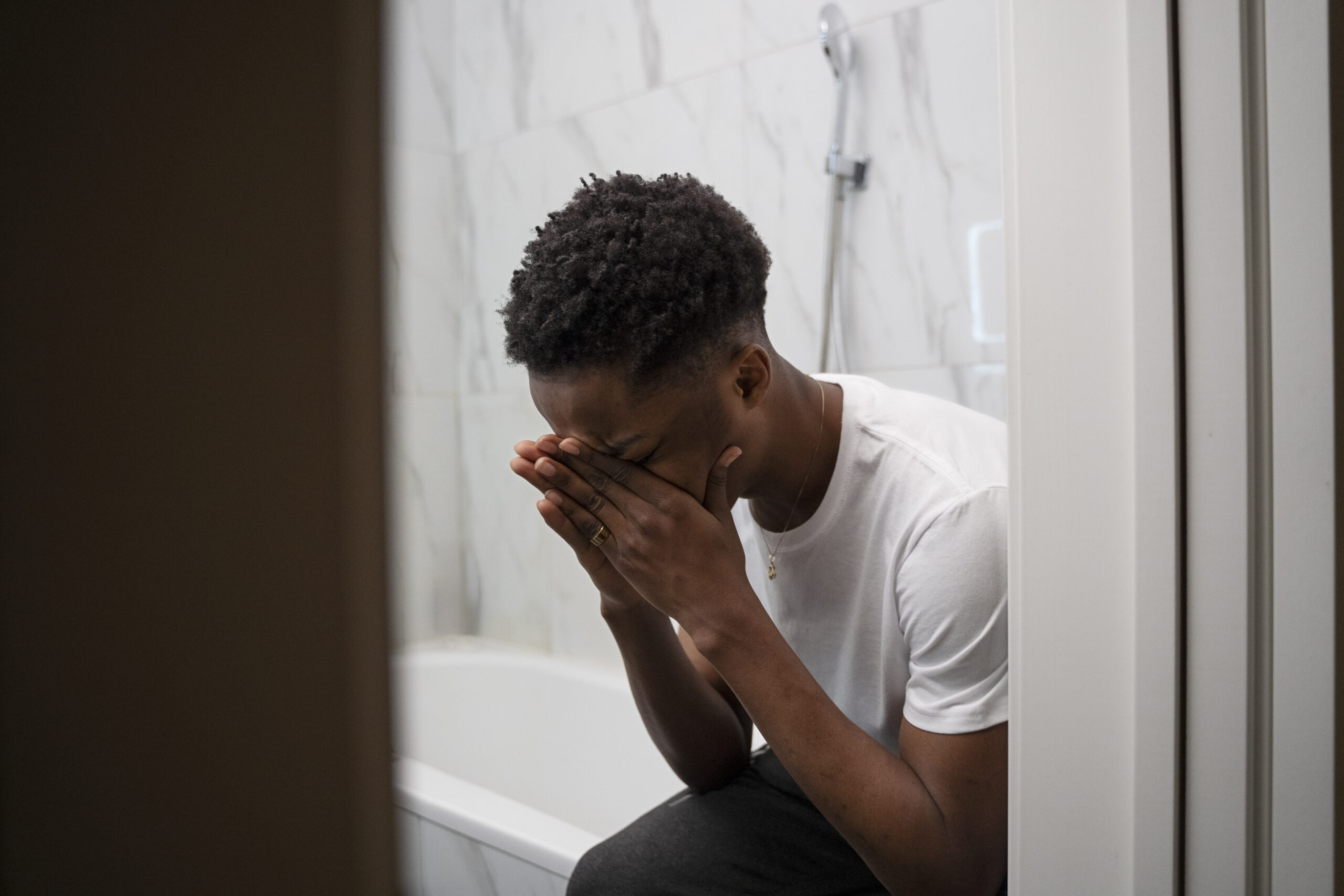
A tragic discovery at Pelican Lifestyle Centre has cast a somber shadow over Barbados’ holiday season, revealing deeper systemic issues beneath the island’s festive exterior. The recovery of a man’s body has sparked urgent conversations about mental health struggles that often remain hidden within Barbadian society.
This incident underscores a critical public health challenge: numerous citizens are reaching breaking points without adequate support systems. Mental health professionals identify a dangerous pattern where economic pressures, unemployment, rising living costs, academic stress, and social media comparison culture collectively foster widespread hopelessness, particularly among youth.
Barbados faces significant structural barriers in addressing this crisis. School counseling services remain severely understaffed, private mental healthcare is financially inaccessible for many, and families often lack knowledge about available resources. The Ministry of Health’s mental health hotline (535-4600) represents progress, but experts emphasize the need for more comprehensive, integrated support networks.
Concerning gender disparities emerge in regional data, with men demonstrating higher suicide completion rates despite women reporting more suicidal ideation. Cultural norms that discourage emotional vulnerability among males create particular vulnerability, as men are less likely to seek help or confide in friends before reaching crisis points.
Mental health advocates propose a multi-faceted solution: implementing a nationally coordinated mental health strategy with enhanced funding, integrating mental services into routine healthcare, and creating targeted outreach programs through sports clubs, workplaces, and community centers. Changing cultural narratives around masculinity and help-seeking behavior represents another critical component.
The article concludes with practical guidance, urging citizens to engage in proactive check-ins with loved ones and providing emergency contact information for Lifeline Barbados (536-4500) and the Samaritans (429-9999), both offering 24/7 confidential support.