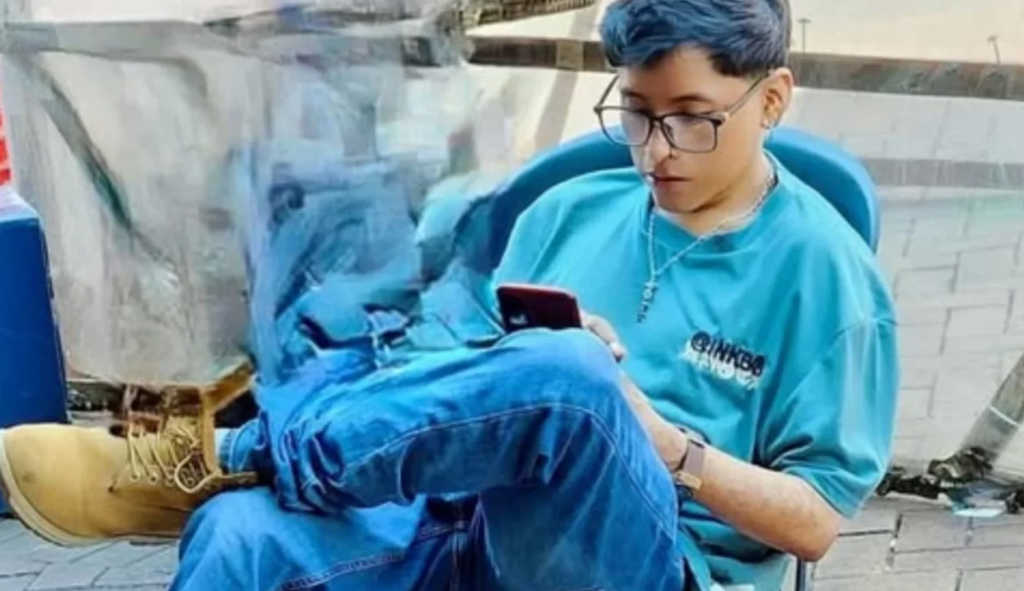
A young Ecuadorian man has become the fourth fatality resulting from security forces’ alleged excessive force during anti-government protests that shook the nation in late 2025. The victim, identified as Farinango, sustained critical injuries during demonstrations triggered by President Daniel Noboa’s controversial decision to eliminate diesel fuel subsidies.
Medical reports indicate Farinango was struck twice by tear gas canisters—once in the leg and another near his kidneys—during clashes between protesters and security personnel. The impacts severely compromised his renal function and exacerbated pre-existing liver conditions. Despite receiving medical attention, his organs ultimately failed to withstand the trauma caused by the explosive projectiles.
The protests, organized by the Confederation of Indigenous Nationalities of Ecuador (CONAIE) and supported by various social sectors, erupted in response to soaring diesel prices and broader discontent with the government’s economic agenda. What began as opposition to fuel subsidy elimination expanded into widespread rejection of economic policies affecting vulnerable populations.
Human rights organizations have documented alarming patterns of violence during the unrest. The Alliance of Organizations for Human Rights has recorded 391 distinct human rights violations allegedly committed by police and military forces throughout the demonstrations.
Prior to Farinango’s death, three other protesters lost their lives under similar circumstances. Efraín Fuerez and José Guamán, both indigenous youths, died from gunshot wounds, while Rosa Paqui succumbed to tear gas inhalation. These incidents collectively paint a troubling picture of state response to civil dissent, raising serious concerns about proportionality in public order maintenance.
The accumulating fatalities have intensified scrutiny of security protocols regarding crowd control measures, particularly the use of tear gas canisters as projectile weapons rather than their intended purpose of dispersion. International human rights advocates are calling for independent investigations into the patterns of violence observed during the protests.