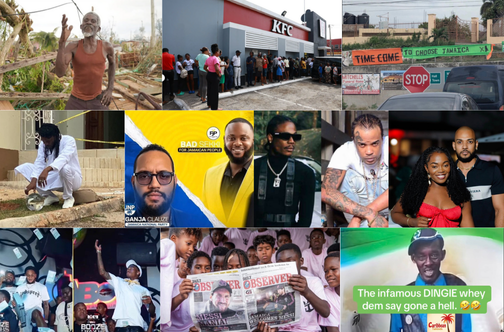
The year 2025 etched itself into Jamaica’s collective consciousness through a series of defining moments that oscillated between profound tragedy and unifying comedy, all amplified through digital virality. These events, unfolding across social media timelines and news broadcasts, collectively shaped the nation’s narrative for the year, demonstrating a unique blend of resilience, cultural pride, and spirited discourse.
Natural disaster struck with unprecedented force when Hurricane Melissa, a historic Category 5 storm with sustained winds of 185 mph, made landfall on October 28. The cyclone left widespread destruction across western Jamaica and claimed at least 45 lives. Amid the devastation, powerful human stories emerged that captured the indomitable Jamaican spirit. The nation was moved by Sharon Wright’s tearful pleas, inspired by Christopher’s optimism amidst the ruins of his Scott’s Cove fish stall, and amused by Kenrick Smith’s humorous recollection of his house literally taking flight. The catastrophe, while devastating, ignited an extraordinary outpouring of community support both domestically and internationally.
In stark contrast, June 18 witnessed a nationwide phenomenon of a different kind as KFC Jamaica’s 50th anniversary celebration triggered a cultural event. The promise of a complimentary Meal Deal with the purchase of a Big Deal combo drove citizens to camp outside outlets, creating serpentine queues that necessitated police intervention. The ensuing social media frenzy, filled with images of massive crowds, sparked vigorous debate about consumer culture, yet ultimately provided some of the year’s most memorably comic visuals.
The political arena reached fever pitch during the September 3 General Election campaign, characterized by intense rivalry between the Jamaica Labour Party (JLP) and People’s National Party (PNP). The competition manifested through clever poster wars, notably the PNP’s ‘Time Come’ slogan being visually countered by adjacent JLP posters urging citizens ‘To Choose Jamaica’. Both parties leveraged dancehall culture, employing performances from major artists like Beenie Man, Yaksta, QQ, Mr Vegas, and Jahshii to energize supporters. The PNP’s campaign anthem, ‘Marching on to Progress’, achieved viral status for its infectious hook, even finding appreciation among opposition members. The election culminated in televised debates focusing on social issues and leadership, ultimately resulting in the JLP securing a third consecutive term.
Social media platforms birthed their own political parody with the inaugural ‘TikTok Elections’. Dubbed ‘Clock App Decides’, this mock democratic exercise featured two online parties—For Jamaican People (FJP) led by Bad Sekki and Jamaica National Party (JNP) led by Ganja Clauze. The contest, which included a leaders’ debate and drew over 20,000 votes across 15 parishes, was so impactful that both digital leaders were invited to Prime Minister Andrew Holness’s swearing-in ceremony at King’s House.
International diplomacy took an unexpected turn in February when dancehall icon Beenie Man sparked a regional controversy on the Drink Champs podcast. His declaration that he avoids Trinidad’s iconic doubles because ‘dogs don’t eat doubles’ ignited a firestorm across the Caribbean. The backlash, which included responses from international artist Nicki Minaj and then-Trinidad Foreign Affairs Minister Dr. Amery Browne, culminated in calls for a music boycott and eventually prompted a formal apology from the artist.
The entertainment world was electrified by a rapid-fire lyrical clash between dancehall stars Masicka and Tommy Lee Sparta. Initiated by Tommy Lee’s track ‘Control’, the exchange escalated through multiple diss tracks including ‘Vain’, ‘Destroyer’, ‘Tears’, ‘Dirth Day’, ‘Death Row’, and ‘System’. The clash, believed to stem from tensions over the ‘King of Dancehall’ title following Vybz Kartel’s coronation at Reggae Sumfest, energized the genre and was widely regarded as beneficial for dancehall culture, provided it remained strictly musical.
Social media influencer drama reached its zenith with the very public feud between Drezel Simmonds and her ex-partner Chad Walker. What began with allegations of a missing gold chain evolved into a sprawling digital confrontation involving Instagram posts, an hour-long YouTube rebuttal from Simmonds featuring evidence, and a widely criticized appearance by Walker on the ‘Toxic Talk’ podcast. The affair generated massive engagement, with public sentiment largely favoring Simmonds and several businesses offering her public support.
National spirits faced a crushing blow on November 18 when the Reggae Boyz’s World Cup qualifying hopes were dashed by a 0-0 draw against Curaçao. The disappointment was compounded by the immediate resignation of coach Steve McClaren and, most damagingly, by viral content showing players partying at Taboo nightclub shortly after the match. The incident earned the team the derogatory nickname ‘Taboo Boyz’ and drew criticism from sprint legend Usain Bolt, though Jamaica’s World Cup dreams remain alive through upcoming inter-confederation playoffs.
Amid these events, the year provided brighter moments including Lionel Messi’s triumphant visit with Inter Miami, where he scored a classic 92nd-minute goal to the delight of a capacity National Stadium crowd. The internet also found humor in the unlikely viral sensation of ‘Dingie gone a hell’, a funeral service disruption that spawned countless memes, reaction videos, and even a musical tribute, before being contextualized by one participant as a theological rebuttal rather than a character attack.
Additional notable moments included the Coldplay concert Jumbotron affair that exposed a corporate cheating scandal internationally, the proliferation of TikTok star Candy’s catchphrases ‘Mi dear’ and ‘Paaay dead gyal’, Dee Official’s viral ‘One by One’ story-turned-song, and the dramatic highlights of the 2025 Tokyo World Athletics Championships.