The Dominican Republic weathered a remarkably intense year of natural phenomena throughout 2025, characterized by unusually powerful atmospheric events and significant seismic activity. According to meteorological experts, while the number of events did not exceed projections, their intensity and capacity for widespread impact marked a notable deviation from historical patterns.
The 2025 Atlantic hurricane season produced two particularly influential systems: Hurricanes Melissa and Erin. Senior meteorologist Saddan Font-Frías Montero of the National Forecast Center explained that although neither hurricane made direct landfall on Dominican territory, both generated dangerous coastal conditions, extensive cloud coverage, and substantial rainfall across the nation.
Hurricane Melissa emerged as the most consequential system of the season, achieving Category 5 status through a process of rapid intensification. Despite passing at a distance from Dominican shores, its expansive outer bands delivered extraordinary precipitation totals: 737 mm in Polo, Barahona; 507 mm in Heroes Center; and 453 mm in Santo Domingo East. Montero attributed Melissa’s exceptional strength to significantly warmer ocean temperatures in the tropical Atlantic, which provided ideal conditions for cyclone intensification and moisture retention.
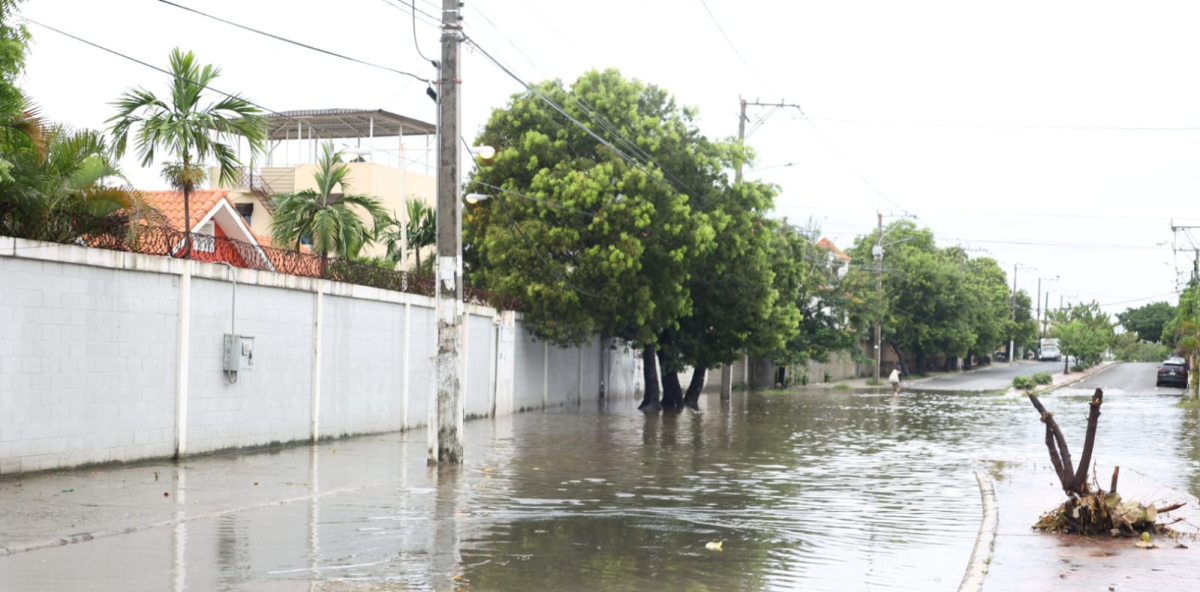
The hurricane’s remote effects triggered severe flooding in southwestern regions, urban areas of Greater Santo Domingo, and San Cristóbal. Meteorological data confirmed a trend toward more energetic cyclones capable of producing extreme rainfall even without direct impact.
Separately, seismic monitoring revealed increased tectonic activity throughout 2025. Ramón Delanoy, director of the National Seismology Office, reported 3,971 recorded earthquakes—a notable increase from 3,652 in 2024. The year’s most significant event registered magnitude 5.5 near Las Terrenas, Samaná, at a depth of 118 kilometers. Three primary fault systems—Ocoa, Septentrional, and Canal de la Mona—accounted for most seismic activity.
As December commenced, meteorologist Christopher Florian indicated the beginning of the frontal season, with cold fronts expected to bring substantial cloud cover, frequent rainfall, and significantly cooler temperatures to northern and eastern provinces. Traditional cold spots including Valle Nuevo, Constanza, and Alto Bandera anticipate temperatures potentially dropping to 5°C, with occasional readings approaching freezing conditions.