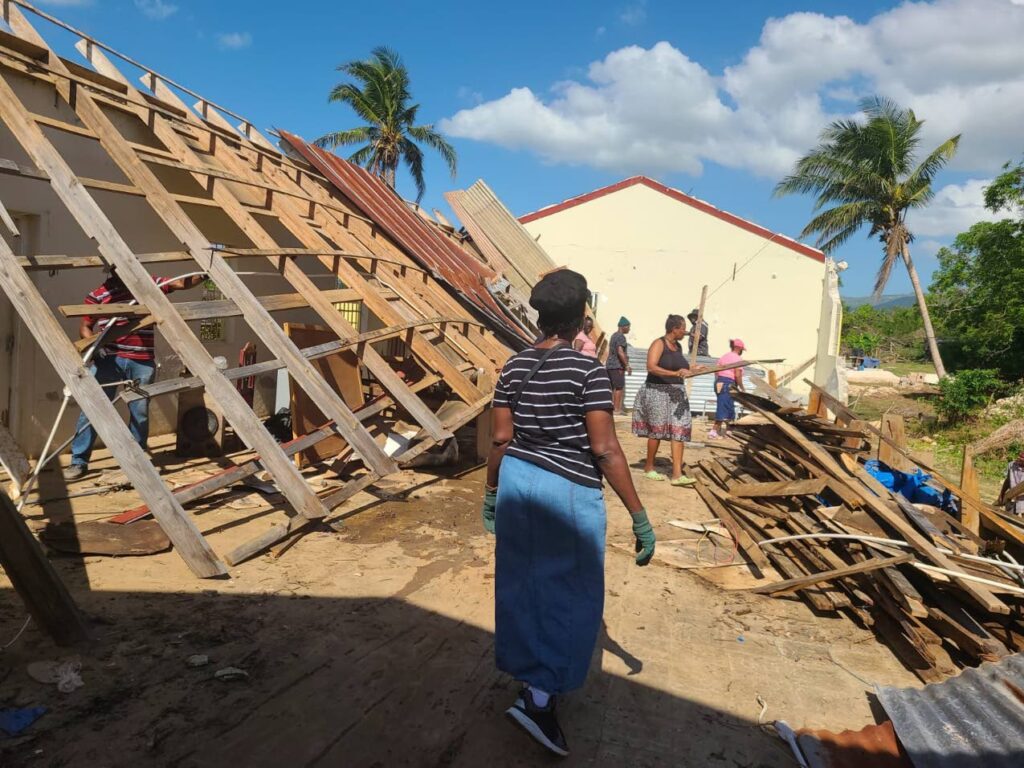
In the devastating aftermath of Hurricane Melissa’s unprecedented Category 5 landfall on Jamaica in late October, the Bethel United Church of Jesus Christ (Apostolic) has emerged as a cornerstone of relief and recovery efforts. Under the leadership of Bishop Devon Charles Brown, the church’s Regional Evangelism Outreach Ministry (REAM) has executed a comprehensive, multi-phase response to address the widespread destruction across southwestern parishes.
Directed by Evangelist Latoya Simba, REAM’s operations have spanned from St. Elizabeth to Westmoreland and St. Ann, delivering critical aid through an organized framework of ‘Three R’s’: Relief, Recovery, and Reconstruction. The initial relief phase involved distributing essential supplies including water, food, clothing, and temporary shelter materials to communities where homes were flattened, infrastructure was destroyed, and agricultural hubs were brought to their knees.
The church’s humanitarian mission has extended beyond material aid, incorporating psychological support through licensed professionals addressing trauma and emotional distress among survivors. Medical care and counseling services have been integrated into their response, recognizing the profound mental health impact of the disaster.
Financial commitments have surpassed $5 million Jamaican dollars, though organizers emphasize this represents only initial efforts against vastly greater needs. The recovery phase now focuses on rebuilding homes and restoring livelihoods, including livestock support for agricultural communities. A forthcoming reconstruction phase will involve build-back grants and an ‘adopt a family’ initiative, with assessment-based funding allocations.
Strategic partnerships with government agencies including the Ministry of Labour and National Housing Trust have facilitated access to additional resources and streamlined assistance applications for affected residents. The church has also mobilized a skill bank of professionals including carpenters, masons, and business leaders to assist with rebuilding six severely damaged member churches and numerous homes.
Community healing events, including treat days serving over 300 hot meals in Darliston, have provided psychological respite from the trauma. Bishop Charles Brown has characterized the effort as a ‘marathon rather than a sprint,’ with national church agendas restructured around long-term recovery commitments. Despite the overwhelming devastation, the church takes solace in having preserved life amidst the destruction, now focusing on the prolonged process of rebuilding stronger, more resilient communities.