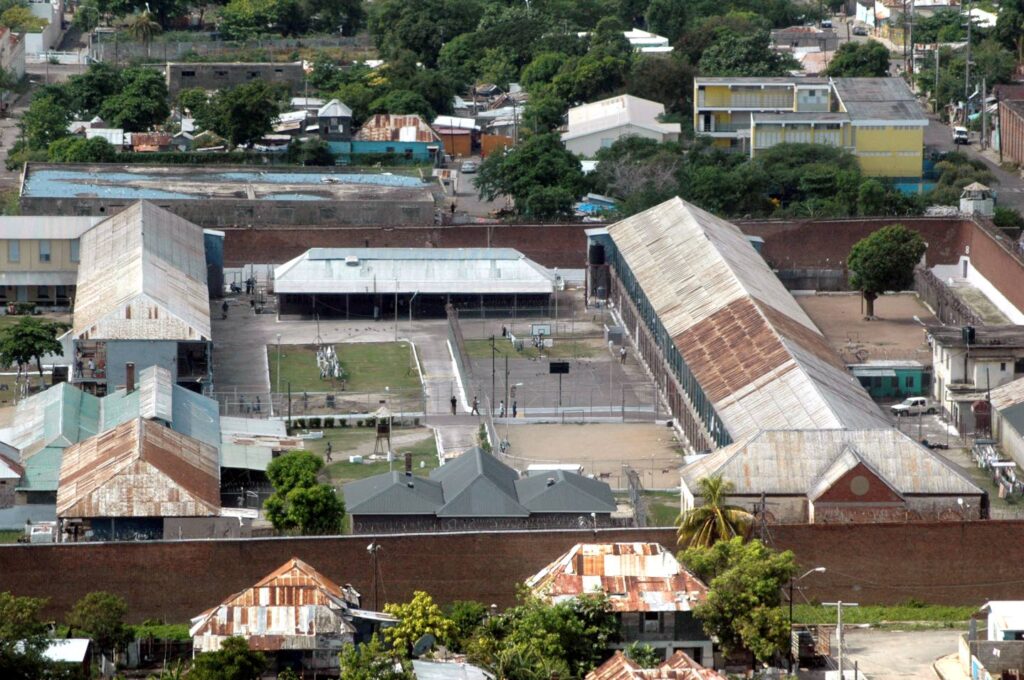
Within Jamaica’s correctional facilities, a unique mental health crisis is unfolding as incarcerated individuals grapple with the psychological aftermath of Hurricane Melissa, despite being physically shielded from the Category 5 storm’s direct impact. The island’s prison system has implemented comprehensive psychosocial support programs to address the emotional distress experienced by inmates who worry about family members and damaged properties in the hurricane-ravaged regions.
Dr. Myo Oo, consultant psychiatrist for Jamaica’s Department of Correctional Services, revealed that mental health professionals have conducted extensive counseling sessions with prisoners since the devastating storm struck two months ago. Many inmates have voluntarily sought psychological support, particularly those with connections to the southwestern regions that suffered the most severe destruction.
The therapeutic approach focuses on creating opportunities for emotional expression, with clinicians initiating conversations about hurricane-related concerns during routine consultations. “We provide them space to articulate their emotions and ventilate their feelings,” Dr. Oo explained to the Jamaica Observer. “Even those without direct connections to affected areas often express concern about friends or relatives who might have been impacted.”
The psychiatrist noted that inmates experience anxiety patterns similar to the general population but emphasized that their confinement intensifies psychological suffering. Limited communication channels and occasional inability to receive visitors compound their distress, particularly for those who have lost contact with families since the disaster. In such cases, medical interventions sometimes become necessary, including medication adjustments or increased dosages for existing prescriptions.
Beyond hurricane-specific support, the correctional system maintains robust annual programs designed to boost morale during holiday seasons. These initiatives include Family Day events that facilitate inmate-loved one interactions and seasonal celebrations featuring feasts, musical activities, and religious services conducted by visiting churches. Juvenile facilities receive additional resources through external agencies that organize Christmas parties and recreational activities.
The mental health infrastructure across Jamaica’s 11 correctional institutions includes 14 medical doctors, five full-time and two seasonal psychiatrists, plus three psychologists serving over 3,000 inmates. Despite overwhelming caseloads, professionals focus on helping prisoners acknowledge and process feelings of depression, anxiety, and homesickness that typically intensify during holiday periods.
Dr. Oo emphasized that individual reactions to both disasters and seasonal changes vary significantly based on personal history and trauma experiences. The correctional system’s multifaceted approach ensures that psychological support remains available through scheduled counselor visits and appointment-based systems, allowing inmates to access professional help when struggling with separation-related emotional challenges.