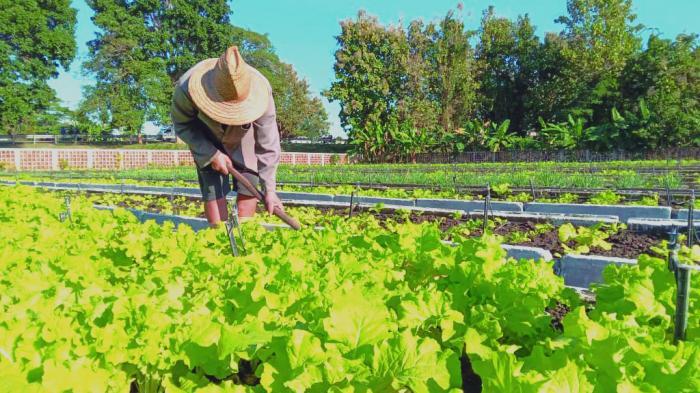
The Cuban province of Pinar del Río prepares to host national celebrations marking the 38th anniversary of the Urban, Suburban, and Family Agriculture Program this Saturday, an initiative originally championed by Army General Raúl Castro Ruz. What began as a controversial experiment has evolved into a transformative food security system that continues to demonstrate remarkable resilience despite significant challenges.
At the organic garden known as La Erea, located along the banks of the Guamá River, agricultural specialist Dany Mena García exemplifies the program’s success. “Here, one crop is harvested and another is planted right behind it. We never have unplanted beds,” he explains, describing a operation that maintains productive green beds throughout all twelve months of the year.
The program’s journey hasn’t been without obstacles. Early skeptics questioned the logic of constructing urban garden beds while rural land remained underutilized. Initial harvests sometimes went to waste due to limited consumer demand. Yet persistence eventually transformed Cuban dietary habits, introducing chard, spinach, chives, carrots, beets, and approximately twenty other crops to complement the traditional limited vegetable selection.
According to Lérida María Sánchez Díaz, head of the program at the Provincial Delegation of Agriculture in Vueltabajo, the initiative now encompasses 1,244 production structures across 1,278 hectares. These include organic farms, technified plots, intensive gardens, semi-protected gardens, and rustic greenhouses. The current production average stands at an impressive 10.2 kilograms per square meter, meeting projections established earlier this year.
The program has demonstrated particular resilience in recovering from natural disasters. When Hurricane Ian devastated the region in 2022, destroying over 8,000 garden beds, the system rebounded within approximately one month with harvests of lettuce, chard, spinach, and chives already underway.
International collaboration has played a crucial role in recent advancements. Miguel Espinosa Correa, administrator of the Ingeniería #1 organic garden, describes how solar panel irrigation systems donated through international projects have addressed electricity shortages. Additional support from United Nations, European Union, and Japanese Embassy initiatives has provided seeds, processing equipment, and transportation solutions for product distribution.
Despite these achievements, challenges remain regarding organic matter availability and labor resources. However, increased operational autonomy has enabled producers to address issues directly—such as when Espinosa’s team purchased a replacement irrigation pump from local businesses rather than waiting years for bureaucratic solutions.
With approximately 65,000 backyard gardens expected to join the provincial program by December’s end, and new ventures into dehydrated condiments and medicinal plants expanding product offerings, Cuba’s urban agriculture initiative continues to evolve beyond its original scope, driven by growing consumer demand and ongoing innovation.