A powerful movement is gaining momentum across the Caribbean as Pan-Africanist leaders demand a radical transformation of the educational landscape. At the heart of this movement is a call to dismantle the colonial-era Westminster curriculum and replace it with a system fundamentally rooted in African culture, heritage, and identity.
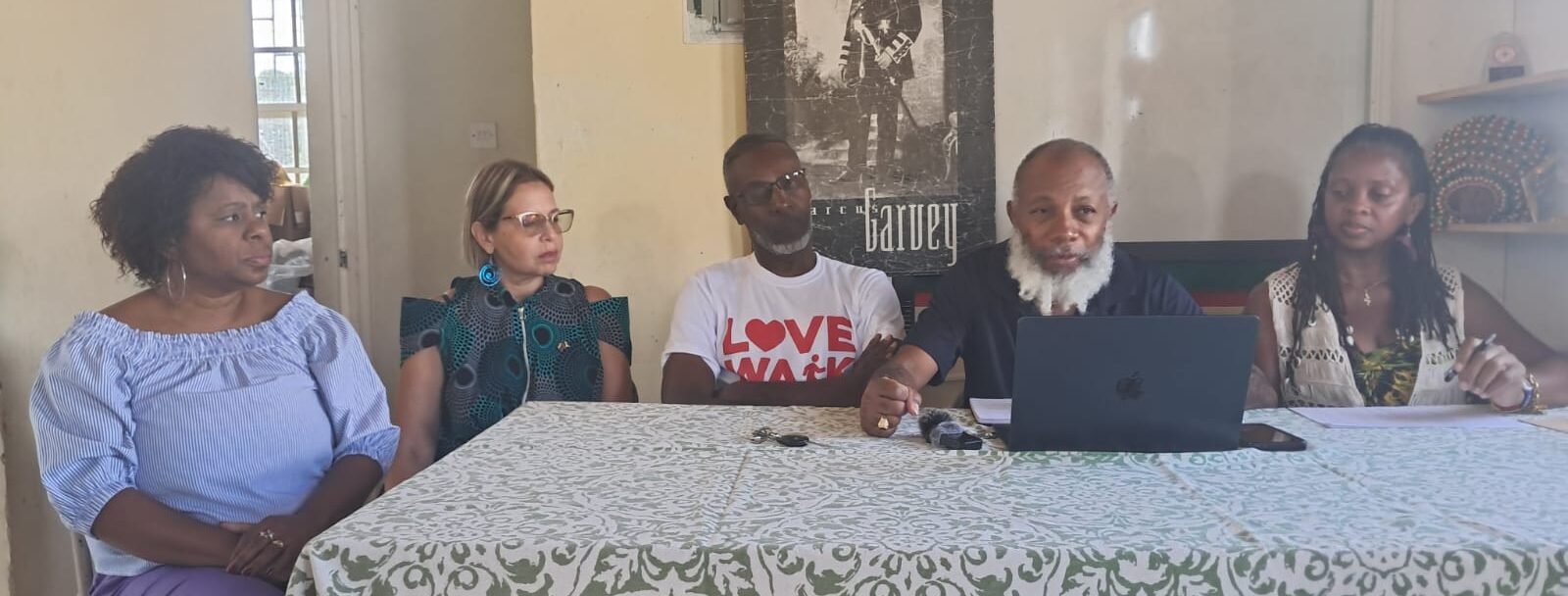
The catalyst for this discussion was a significant gathering of multiple Pan-African groups in Haynesville, St. James, marking the commencement of Kwanzaa. Saa-Ankh Clarke, Head of the Sixth Region Movement, delivered a compelling argument for systemic educational reform. She emphasized the critical need to integrate authentic African rites, ceremonies, and historical narratives into the school curriculum from the earliest years of kindergarten through tertiary education, making the current Eurocentric framework secondary.
Clarke articulated the profound psychological impact of the existing system, stating it creates widespread confusion and a fractured sense of self among youth and elders alike. “The current system is confusing for both young people and elders because they are taught a history that leads to a rejection of their own identity and heritage,” she explained. This identity crisis, she argues, manifests as a population that “don’t believe who they are, don’t understand who they are, and most importantly, they do not accept who they are.” The proposed educational shift aims to foster a collective “unlearning” process to instill a powerful concept of Blackness, unity, pride, self-respect, and determination.
Beyond the classroom, the celebration of Kwanzaa itself is poised for greater recognition. Clarke revealed ongoing dialogues with retailers to promote Kwanzaa displays and expressed a determined goal to see the celebration elevated to the status of a national holiday, equivalent to Christmas.
The event also served as a platform for addressing broader geopolitical concerns. David Denny, General Secretary of the Caribbean Movement for Peace, contextualized the celebration within rising regional tensions, particularly referencing the escalating situation between the United States and Venezuela. He called for the principles of Kwanzaa to translate into concrete action, urging progressive forces to unite and develop a solid, actionable agenda for 2024 to defend the Caribbean as a zone of peace, moving decisively “beyond talk.
Locally, the community’s cultural vibrancy was highlighted by Peter Skeete, president of the Haynesville Youth Club. He outlined plans for the festival’s finale, which will feature traditional African and Landship dances, drumming exhibitions, and gift distributions to local youth. However, Skeete also reiterated a longstanding practical need, passionately advocating for the construction of a community centre to nurture the area’s wealth of sporting, artistic, and cultural talent, citing it as essential for continued youth development.
The international significance of the gathering was underscored by the presence of diplomats, including Cuban Ambassador Yanet Stable Cardenas and Chargé d’Affaires of the Bolivarian Republic of Venezuela to Barbados, Martha Ortega, signaling a wider Pan-American solidarity within the movement.