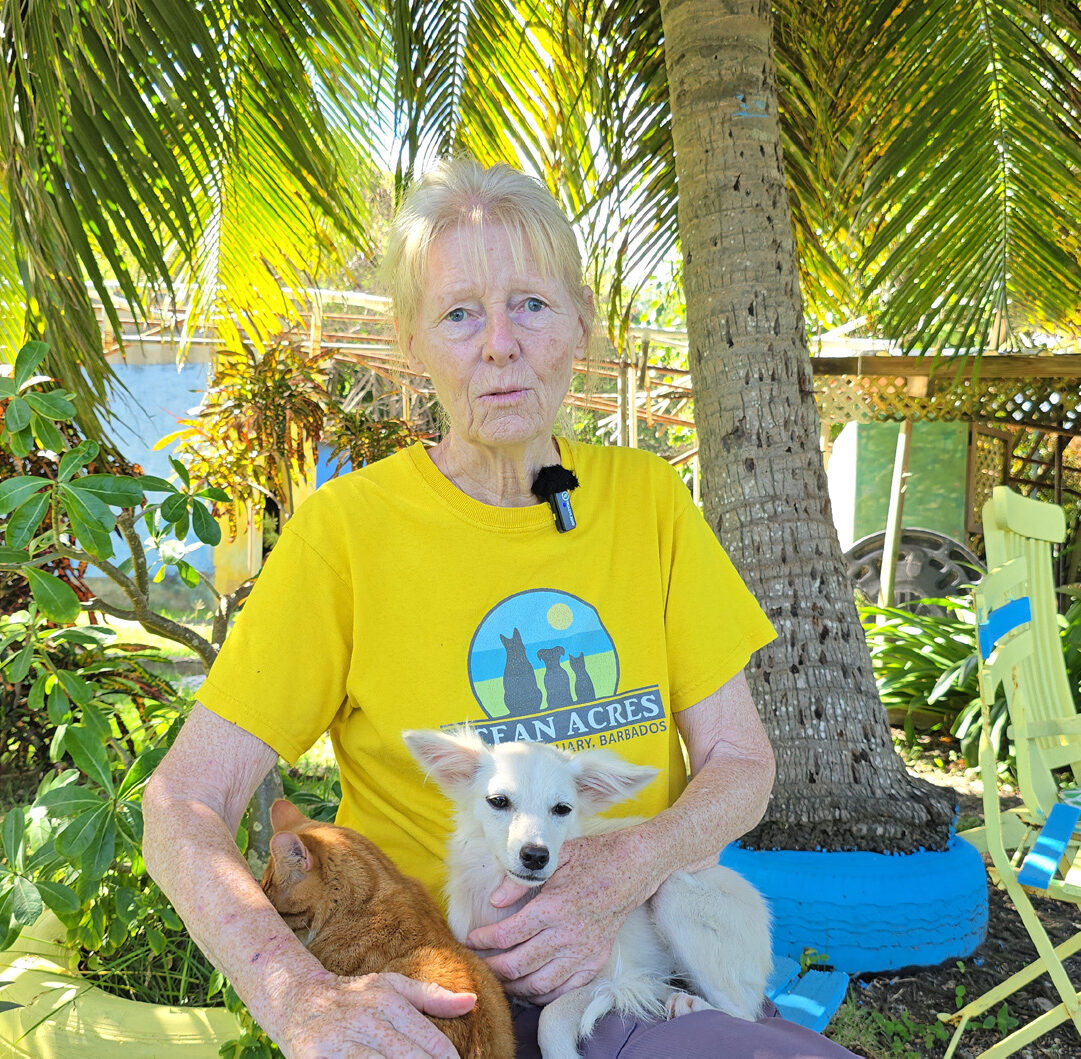
Ocean Acres Animal Sanctuary in Barbados is confronting an escalating animal welfare emergency as unprecedented numbers of abandoned dogs overwhelm the island’s shelter system. The facility, engineered to humanely accommodate approximately 80 canines, is currently operating at more than double its intended capacity according to sanctuary director Karen Whittaker.
With all Barbadian shelters reporting full occupancy, Ocean Acres faces impossible choices between dangerous overcrowding and turning away animals in need. “We’re constantly pressured to accept owner-surrendered pets despite lacking adequate space,” Whittaker stated. This overcrowding creates volatile conditions that risk animal conflicts and compromised welfare standards.
The crisis stems primarily from insufficient long-term planning by pet owners, Whittaker explained. Many residents acquire animals without considering decade-long commitments or life changes including relocations, medical emergencies, or work obligations. Rather than making formal arrangements, some owners resort to irresponsible abandonment methods that create public nuisance issues.
Whittaker identified uncontrolled breeding as a fundamental driver of shelter overpopulation. A single female dog can generate tens of thousands of descendants through successive generations, creating unsustainable population growth. The sanctuary receives numerous calls about unwanted litters, with many puppies succumbing to preventable conditions like parvovirus, parasites, or starvation before rescue teams can intervene.
As a stopgap measure, Ocean Acres has facilitated international transfers sending 250 dogs to Canadian adoption programs this year alone. These complex operations involve substantial expenses including veterinary screenings, specialized kennels costing approximately $600 each, and export certifications priced at $30 per animal. While Air Canada occasionally waives transportation fees, these cost mitigations occur in only half of cases.
The organization’s operational costs range between $70,000-$80,000 monthly for basic animal care, not accounting for emergency medical treatments. With limited public funding and resources, the sanctuary struggles to maintain adequate service levels despite growing demands.
Whittaker advocates for governmental recognition of pet overpopulation as both a social responsibility and public health priority. She emphasizes educational initiatives promoting responsible ownership practices, including spay/neuter programs and lifetime commitment awareness. For unavoidable surrender situations, Whittaker stresses the ethical necessity of veterinary-supervised euthanasia over irresponsible abandonment.
As Barbados faces this growing humanitarian challenge, coordinated efforts between shelters, government agencies, and the public are urgently needed to address systemic causes and ensure animal welfare standards.