While a growing international movement advocates for prohibiting minors from accessing social media platforms, Barbados has declared it is not presently contemplating similar restrictive measures. This position emerges despite Australia’s recent enactment of groundbreaking legislation that bans children aged 16 and under from platforms including Instagram, Facebook, Snapchat, TikTok, YouTube, and X (formerly Twitter), utilizing age verification technologies to enforce compliance.
The global landscape reveals increasing regulatory scrutiny, with nations including France, Spain, Italy, Norway, Denmark, Malaysia, Pakistan, and South Korea exploring comparable protective measures. These governments are responding to mounting concerns about the psychological impact and potential dangers digital environments pose to young users.
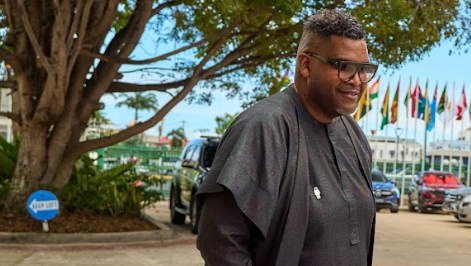
Barbados Minister of Industry, Innovation, Science and Technology, Senator Jonathan Reid, confirmed the nation’s watchful stance. “We haven’t considered implementing such bans,” Reid stated, “however, we maintain strong interest in international developments. We anticipate evaluating the impacts of these decisions abroad to potentially integrate valuable lessons for our population.”
Minister Reid presented a balanced perspective, acknowledging both the substantial benefits and inherent risks associated with social media engagement. He highlighted platforms’ capacity for positive connection and information sharing while simultaneously recognizing serious concerns including misinformation proliferation, cyberbullying, and hate speech dissemination.
Central to Barbados’ deliberation is the preservation of free speech, which Reid described as fundamental to national identity. The government emphasizes developing strategies that maximize technological benefits while implementing safeguards against harmful content, particularly protecting vulnerable youth from documented psychological harms associated with excessive social media consumption.
This cautious governmental approach coincides with rising domestic concerns regarding digital safety. The National Organisation of Women (NOW) has highlighted escalating cyber abuse incidents, with Head Melissa Savoury-Gittens noting that digital violence remains significantly misunderstood and underaddressed in current legal frameworks. Simultaneously, Director of the Criminal Justice Research and Planning Unit Cheryl Willoughby has advocated for comprehensive research into social media’s influence on youth behavior, emphasizing the necessity for collaborative societal response to emerging digital challenges.