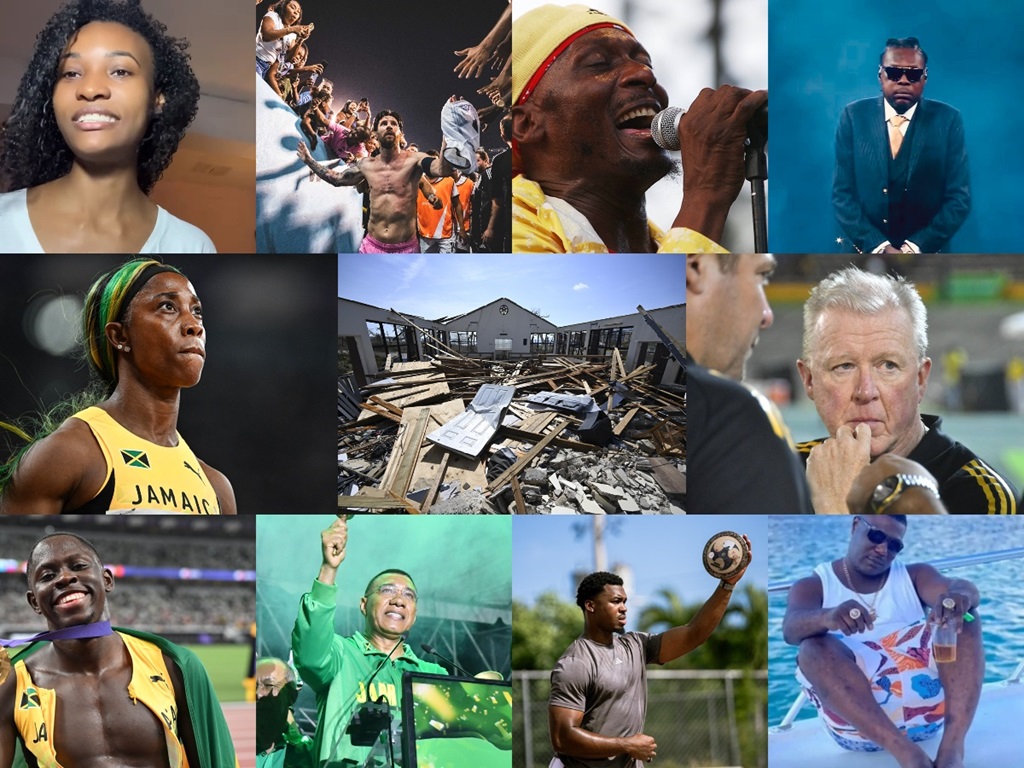
The year 2025 emerged as a defining chapter in Jamaica’s modern history, characterized by unprecedented natural disasters, landmark political achievements, and profound societal shifts. This comprehensive analysis examines the year’s most significant developments through a restructured narrative framework that captures the nation’s resilience and transformation.
Natural Catastrophe and National Response
Hurricane Melissa etched its name in meteorological history on October 28, 2025, when it made landfall as a Category 5 storm with sustained winds of 185 mph—the most powerful hurricane ever recorded to strike Jamaica. The catastrophic event resulted in 45 fatalities, matching Hurricane Gilbert’s 1988 death toll, while rendering approximately 160,000 buildings damaged or destroyed. Early World Bank assessments projected damage estimates reaching US$8.8 billion, representing 41% of Jamaica’s 2024 GDP, with the parishes of St. Elizabeth, Westmoreland, and St. James absorbing 63% of the total devastation.
The international community mobilized rapidly, delivering over 320,000 care packages and construction materials to affected regions. Despite global assistance, thousands of Jamaicans remained displaced during the Christmas season, prompting the Holness administration to accelerate the deployment of 3,000 containerized homes to the most severely impacted areas.
Political Landscape: Historic Third Term
Against considerable odds, Prime Minister Andrew Holness secured an unprecedented third consecutive term for the Jamaica Labour Party (JLP) in the September 3 general election. Defying opinion polls that consistently favored the opposition People’s National Party (PNP), the JLP captured 35 parliamentary seats against the PNP’s 28. Political analysts attributed this victory partly to Holness’s last-minute pledge to double the national minimum wage from J$16,000 to J$32,000 weekly—a commitment made just days before the election.
This electoral triumph positioned Holness to potentially become Jamaica’s longest-serving prime minister, continuing a pattern of historical achievements that began when he led the JLP to back-to-back victories in 2020—a feat not accomplished since 1967.
Public Security: Dramatic Crime Reduction
National Security Minister Dr. Horace Chang and Police Commissioner Dr. Kevin Blake implemented a comprehensive crime strategy that yielded extraordinary results—a 42% reduction in homicides compared to 2024. By mid-December, murder totals had dropped to approximately 650 cases, marking the first time in three decades that Jamaica’s annual homicide count fell below 1,000. Government officials credited ‘Plan Secure Jamaica’—a multi-faceted initiative involving social transformation, police force modernization, military reform, and legislative changes—for this remarkable turnaround.
Athletic Exodus and Sporting Heartbreak
Track and field experienced a significant setback when four elite Jamaican athletes—including three 2024 Olympic medalists—completed citizenship transfers to Turkey. Discus throw gold medalist Roje Stona, long jump silver medalist Wayne Pinnock, shot put bronze medalist Rajindra Campbell, and world junior record holder Jaydon Hibbert reportedly received substantial financial incentives, with Pinnock citing inadequate support systems in Jamaica as motivation for his decision.
Football witnessed profound disappointment as the Reggae Boyz failed to secure automatic qualification for the 2026 World Cup despite favorable conditions. A scoreless draw against Curaçao before 35,000 expectant fans at the National Stadium resulted in the dismissal of coach Steve McLaren and necessitated qualification through intercontinental playoffs.
Cultural Resurgence and Tragic Losses
Entertainment saw Vybz Kartel’s triumphant return to performance after his murder conviction was overturned due to juror misconduct. His Freedom Street Concert on New Year’s Eve 2024 attracted what observers described as the largest crowd ever assembled at the National Stadium, signaling a cultural milestone.
Track athletics celebrated Oblique Seville’s breakthrough victory in the 100m at the World Championships in Tokyo, where he clocked 9.77 seconds to claim Jamaica’s first men’s sprint world title in a decade. This triumph coincided with Shelly-Ann Fraser-Pryce’s retirement after an extraordinary career that included five world 100m titles and three Olympic gold medals.
Society grappled with the tragic suicide of former Miss Universe Jamaica contestant Tyra Spaulding, whose public struggles with mental health highlighted systemic gaps in psychological support services. Meanwhile, law enforcement’s fatal engagement with notorious gang leader Othniel ‘Thickman’ Lobban triggered widespread disruptions in Spanish Town, illustrating the complex relationship between crime and community dynamics.
The year concluded with the passing of numerous Jamaican icons, including reggae pioneer Jimmy Cliff, business leader and senator Don Wehby, broadcasting legend Barrington ‘Barry G’ Gordon, and football maestro Allan ‘Skill’ Cole—marking the end of an era across multiple spheres of Jamaican society.