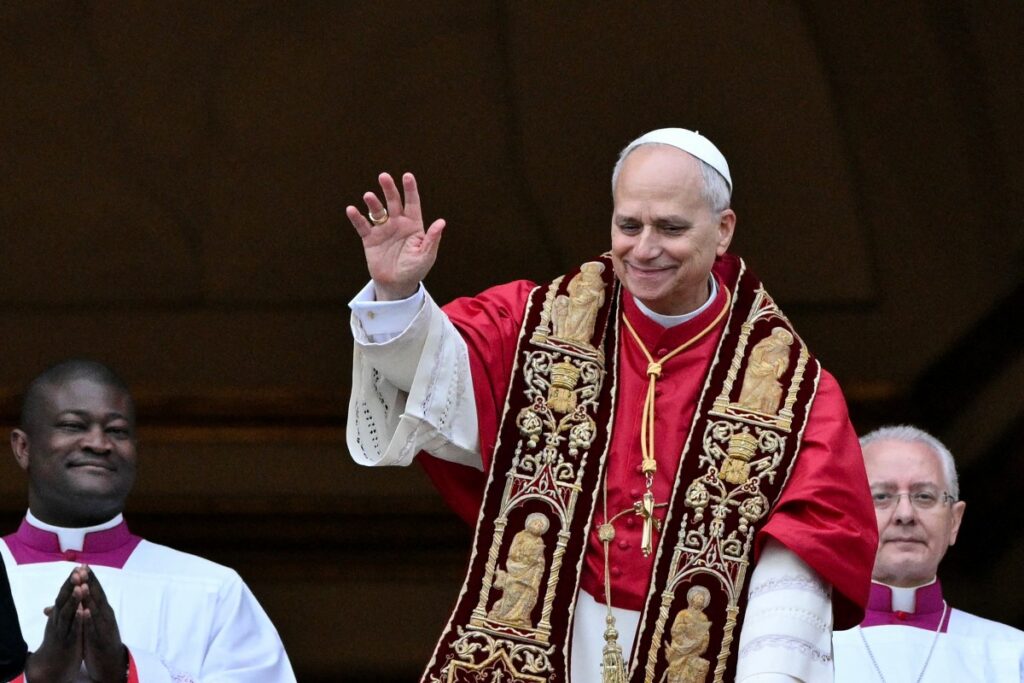
In his inaugural Christmas address, Pope Leo XIV delivered a powerful plea for peace, directly addressing two of the world’s most pressing conflicts. The newly elected pontiff, who ascended to the papacy in May following the passing of Pope Francis, confronted global leaders from St. Peter’s Square before an audience of 26,000 faithful.
The Holy Father specifically called upon Russian and Ukrainian officials to demonstrate ‘courage’ in pursuing ‘sincere, direct and respectful dialogue’ to resolve their devastating conflict. This appeal comes as both nations have engaged in separate discussions with American negotiators regarding potential peace frameworks. The war, initiated by Russia’s February 2022 invasion, has resulted in tens of thousands of casualties, widespread destruction in eastern Ukraine, and millions displaced from their homes.
Shifting focus to the Middle East, Pope Leo painted a grim picture of humanitarian suffering in Gaza, where hundreds of thousands remain exposed to winter elements in temporary shelters weeks after a fragile ceasefire. ‘How can we not think of the tents in Gaza, exposed for weeks to rain, wind and cold,’ he questioned, noting that inhabitants ‘have nothing left and have lost everything.’ United Nations assessments indicate approximately 1.3 million Gazans currently require shelter assistance, with hypothermia risks escalating as temperatures drop.
The pontiff’s message condemned the universal ‘senselessness’ of warfare and its legacy of ‘rubble and open wounds,’ while simultaneously advocating for ‘solidarity with and acceptance of those in need’ across Europe—an apparent reference to rising anti-immigration sentiments.
Despite these somber reflections, Christmas brought measured celebrations in key holy sites. Bethlehem witnessed its first largely uninterrupted festivities in over two years, with hundreds gathering at the Church of the Nativity and participating in traditional parades. In Syria’s capital, Christmas illuminations brightened Damascus’s Old City despite lingering security concerns following a June attack.
The papal message contrasted sharply with some political leaders’ holiday communications, including former U.S. President Donald Trump’s divisive rhetoric and Australian Prime Minister Anthony Albanese’s solemn remembrance of a recent terrorist attack on Jewish celebrants in Bondi Beach.