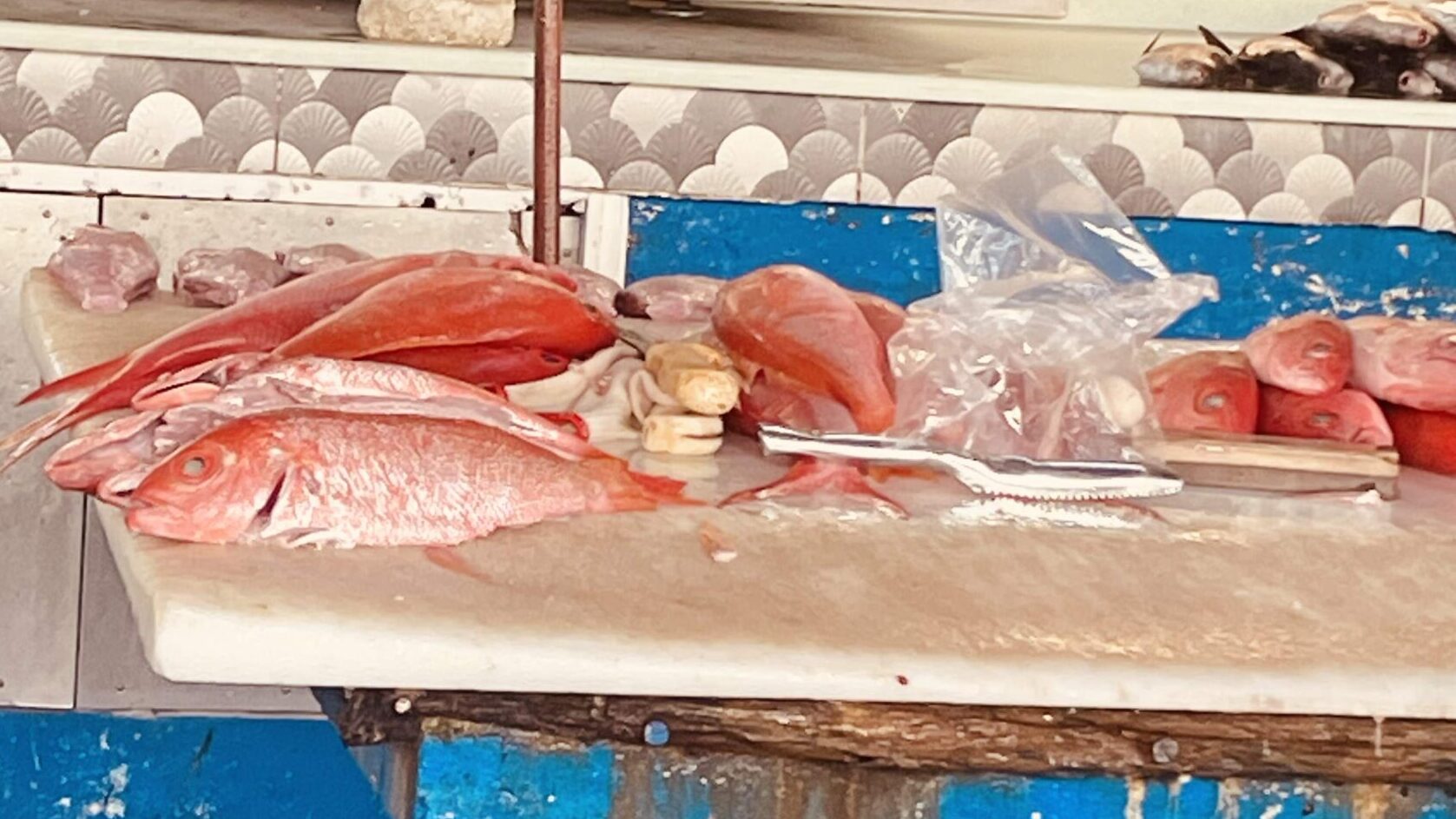
Barbados’s centuries-old fishing industry, a cornerstone of local nutrition, employment, and cultural heritage, is confronting an existential crisis driven by a confluence of environmental and economic pressures. Veteran fishers report severe disruptions to marine ecosystems, significantly diminishing their catches and jeopardizing livelihoods.
At the Berinda Cox Fish Market, seasoned fisherman Victor Drayton provided a detailed account of the ecological breakdown. He explained how disrupted spawning paths are creating a generational catastrophe for fish populations. ‘When a generation of fish has a path where they go to conjugate and spawn, and that path gets blocked or changed… that generation born would not find back that navigation path,’ Drayton stated, highlighting a critical loss of instinctual marine behavior.
This environmental degradation is compounded by past offshore oil and gas exploration. Drayton cited dredging activities as the source of ‘heavier damage to the fishing industry,’ which altered seafloor structures and accelerated the decline of key species. Fishers now report catching significantly smaller flying fish and dolphin fish (mahi-mahi), with many key species becoming harder to locate.
The financial viability of fishing is collapsing under soaring operational costs. Skyrocketing fuel prices, limited access to duty-free fuel for long voyages, and crippling bank loans for boat maintenance are creating an unsustainable economic model. Drayton criticized ineffective bureaucratic responses, noting that while concerns are recorded in meetings, ‘no real help comes,’ leaving fishers in a perpetual cycle of debt without meaningful support.
This sentiment is echoed across the island’s fishing communities. At the Bridgetown Fisheries Complex, fisherman David Webster revealed the extreme lengths required, venturing up to 370 miles offshore to secure a catch. Michael Davis, with over 30 years of experience, described the current season as the slowest in his career, attributing altered fish migration directly to shifting ocean temperatures. Veteran fisherman Owen ‘Accra’ Coppin confirmed that finding dolphin and flying fish now demands more fuel and longer, riskier journeys.
The collective testimony from Barbados’s fishers underscores an urgent need for decisive governmental and industrial intervention. With the sector facing irreversible decline, the community is calling for policy measures that address both immediate economic hardships and long-term ecological conservation to safeguard a vital national industry.