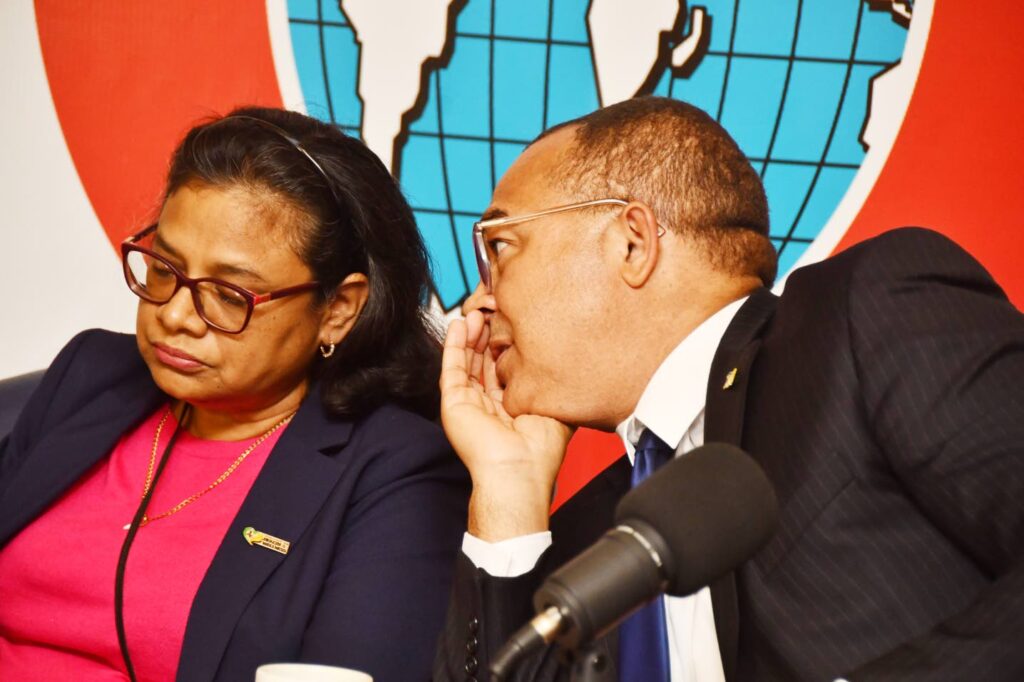
The devastating impact of Hurricane Melissa has revealed significant deficiencies in Jamaica’s public health emergency response framework, triggering urgent calls from the nation’s highest medical authorities for comprehensive legislative reform. Health Minister Dr. Christopher Tufton and Chief Medical Officer Dr. Jacquiline Bisasor-McKenzie jointly declared that existing public health statutes require immediate modernization to address contemporary disaster scenarios.
During a recent Jamaica Observer Press Club gathering, both officials emphasized that the consecutive challenges of managing a global pandemic and a Category 5 hurricane demonstrated the current Public Health Act’s inadequacy in facilitating rapid response operations. The legislation’s inherent rigidity reportedly hampered critical emergency measures including swift quarantine implementation, inter-agency cooperation, and frontline medical interventions during life-threatening situations.
Dr. Tufton acknowledged the health system’s commendable performance under extreme duress but emphasized that these back-to-back crises provided invaluable insights for evaluating Jamaica’s legal preparedness for modern emergencies. “Experiencing both a pandemic and Category 5 hurricane offers an exceptional vantage point for assessing our policy and legal response frameworks,” he stated, noting that despite best efforts, the Public Health Act requires substantial revision.
The current legislation, which serves as Jamaica’s foundational disease control and sanitation framework, empowers the health minister to impose quarantines, movement restrictions, and public space closures during outbreaks. However, these provisions were primarily designed for slower-evolving public health threats and lack the necessary agility for contemporary large-scale disasters characterized by rapid escalation and complex interdependencies.
Dr. Bisasor-McKenzie highlighted operational disparities between the Emergency Disaster Act and Public Health Act, noting the former enables faster decision-making during critical early response phases. She identified particular weaknesses in isolation and quarantine enforcement mechanisms, stating: “We must strengthen legal provisions supporting isolation measures and consolidate reporting responsibilities across agencies to create a unified response approach.”
Both officials emphasized the legislation’s failure to address socio-familial interventions crucial in disaster aftermath, including vulnerable population relocation and coordinated care for displaced households. The ministers advocated for a ‘one health’ approach recognizing the interconnected nature of modern health threats, from infectious diseases to climate-driven disasters that transcend national boundaries.
Hurricane Melissa also underscored the necessity for legal flexibility in facilitating international medical assistance. Jamaica faced challenges in rapidly credentialing foreign medical professionals who established field hospitals post-disaster, with Tufton noting: “While international support was phenomenal, bureaucratic obstacles often prevent help from reaching those who need it most.”